
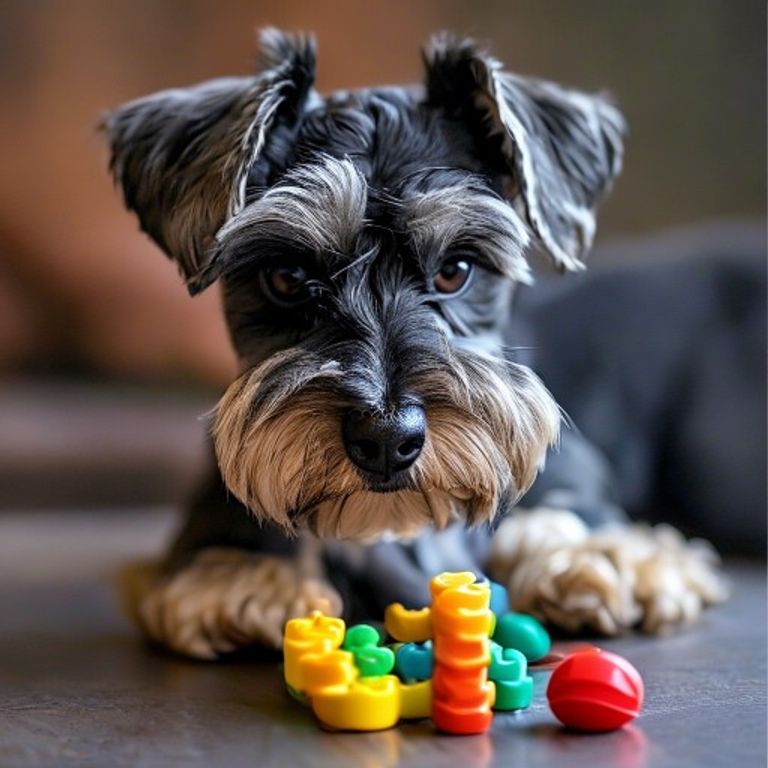
Considering adding a Miniature Schnauzer to your family, or are you already a proud owner? Welcome! As a pet behaviorist, I appreciate the distinct appeal and specific requirements of these lively dogs. The Miniature Schnauzer, often called "Mini" or "Schnauzer," is a breed packed with personality. They're recognized for their characteristic beard and eyebrows, their watchful nature, and their surprisingly robust spirit in a compact body. This guide covers everything you need to know about this popular breed, from their temperament and training to their daily care and health in 2026.
Understanding the Miniature Schnauzer: Temperament and Personality
The Miniature Schnauzer's temperament is a major part of their charm. They are intelligent, friendly, and alert dogs. Originally bred in Germany for farm pest control, they maintain a keen awareness and a degree of boldness. This makes them effective watchdogs, quick to alert you to visitors or unusual noises. However, their alertness isn't aggression; they are typically very sociable dogs.
These dogs are known for their loyalty and strong bonds with their families. They often form deep connections and can be very playful and affectionate. Their intelligence means they learn quickly, but they can also get bored easily if not given enough mental challenges. This boredom can sometimes lead them to invent their own, often undesirable, entertainment. Owners often find their Miniature Schnauzers to be curious, spirited, and full of life. Their lively personalities make them engaging companions for active people or families.
The Miniature Schnauzer's History: From Farm Dog to Family Favorite
The Miniature Schnauzer originated in Germany in the mid-to-late 19th century. They were developed from the Standard Schnauzer, likely with the addition of smaller breeds such as the Affenpinscher and possibly Poodles, to create a smaller version suitable for pest control on and around farms. Their small size and agility made them ideal for hunting vermin in barns and houses, a job they did with great enthusiasm and skill.
Despite their working background, the Miniature Schnauzer quickly became a beloved household pet. Their appealing appearance, manageable size, and adaptable nature made them popular in urban areas too. Today, they are one of the most recognizable and cherished breeds globally, valued for their distinctive look and unwavering devotion.
Daily Care and Lifestyle Needs
Caring for a Miniature Schnauzer involves meeting their needs for exercise, mental stimulation, grooming, and companionship.
Exercise Requirements
Miniature Schnauzers are moderately energetic dogs. They don't require the extensive exercise some larger breeds do, but they need regular physical activity to stay healthy and happy. Aim for at least 30-45 minutes of exercise daily. This can include:
- Daily walks, ideally in a safe, leashed area or a securely fenced yard.
- Interactive play sessions, like fetch or tug-of-war.
- Opportunities to explore and sniff during walks, which is important for their mental well-being.
It's important to remember that a bored Schnauzer can become a mischievous one. Providing enough physical outlets helps prevent unwanted behaviors.
Mental Stimulation
These intelligent dogs need more than just physical activity. Mental challenges are crucial to keep their minds sharp and prevent boredom. Consider incorporating puzzle toys, training sessions, or teaching new tricks into their daily routine. Even simple games like hide-and-seek with treats can be very engaging for them. If you notice destructive behaviors, it's often a sign they need more mental engagement. Resources on dog training can offer excellent ideas for mental enrichment.
Grooming Needs
The distinctive coat of the Miniature Schnauzer requires consistent grooming. Their wiry double coat consists of a harsh outer layer and a soft undercoat. To maintain their appearance and prevent matting, regular grooming is essential.
- Brushing: Daily brushing is ideal to remove loose hair, dirt, and prevent tangles, especially around the beard and leg furnishings.
- Bathing: Bathe your Schnauzer as needed, typically every few weeks or when they get particularly dirty. Use a dog-specific shampoo to avoid irritating their skin.
- Professional grooming: Many owners opt for professional grooming every 6-8 weeks for a proper clip or hand-stripping. This helps maintain the coat's texture and shape.
- Facial care: The beard and eyebrows can trap food and moisture, so they should be cleaned regularly to prevent staining and odor.
- Nail trimming and ear cleaning: Keep nails trimmed short and clean their ears regularly to prevent infections.
Diet and Nutrition
A balanced diet is vital for a Miniature Schnauzer's overall health and energy levels. High-quality dog food formulated for small breeds is generally recommended. Pay attention to portion control to prevent obesity, which can worsen health issues. Consult your veterinarian for specific dietary recommendations suited to your dog's age, activity level, and any health conditions.
Training Your Miniature Schnauzer
Miniature Schnauzers are intelligent and eager to please, which generally makes them responsive to training. However, their independent streak and potential for stubbornness mean that patience and consistency are key.
Early Socialization
It's vital to socialize your Miniature Schnauzer puppy from a young age. Expose them to a variety of people, environments, sounds, and other animals in a positive and controlled way. This helps them grow into well-adjusted, confident adult dogs, reducing the likelihood of fear-based reactivity or shyness. Proper socialization is a foundational element for any well-behaved dog.
Positive Reinforcement Methods
Positive reinforcement training methods work best for this breed. Use rewards like praise, treats, and toys to encourage desired behaviors. Harsh corrections can be counterproductive and may lead to anxiety or a loss of trust. Keep training sessions short, fun, and engaging to maintain their interest.
Addressing Common Behavioral Traits
Miniature Schnauzers can sometimes show certain behaviors that owners need to manage:
- Barking: As alert dogs, they may bark at perceived threats or excitement. Teaching them a 'quiet' command can be effective.
- Digging: If left in the yard for long periods without supervision or mental stimulation, they might start digging. Ensure they get plenty of exercise and appropriate outlets for their energy.
- Chewing: Puppies and younger dogs may chew excessively if bored or teething. Provide plenty of suitable chew toys.
If you encounter persistent behavioral issues, consulting a professional dog trainer or behaviorist can offer tailored solutions.
Health Considerations for Miniature Schnauzers
While Miniature Schnauzers are generally a healthy breed, like all purebred dogs, they can be predisposed to certain health conditions. Responsible breeding practices aim to reduce these risks, but owners should still be aware.
Some common health concerns include:
- Eye conditions: Such as cataracts, progressive retinal atrophy (PRA), and glaucoma. Regular eye exams by your veterinarian are recommended.
- Urinary stones: Miniature Schnauzers have a higher incidence of developing bladder or kidney stones. A veterinarian can advise on diet and hydration strategies to help prevent them.
- Pancreatitis: This is an inflammation of the pancreas, often linked to high-fat diets. Recognizing signs like vomiting, diarrhea, and abdominal pain is important, and you should consult your vet immediately.
- Dental issues: Small breeds can be prone to dental disease. Regular dental care, including brushing and professional cleanings, is essential.
- Skin allergies: Some Schnauzers can develop skin sensitivities. Keeping their coat clean and using hypoallergenic shampoos can help.
It's crucial to build a good relationship with a veterinarian. Regular check-ups, vaccinations, parasite prevention, and prompt attention to any signs of illness (like changes in appetite, energy levels, or behavior) are vital parts of preventative dog health care. If you notice any significant behavioral changes, such as increased hiding, lethargy, or reluctance to participate in activities they once enjoyed, it's always best to consult your vet to rule out any underlying medical issues.
Miniature Schnauzers in the Home
These dogs adapt well to various living situations, including apartments, provided they get enough exercise and attention. They thrive on being part of the family and do not do well if left alone for very long periods. Their alert nature makes them good watchdogs, but their barking can be managed with consistent training. They generally enjoy playing with toys and can be quite entertaining with their antics.
Choosing a Miniature Schnauzer
When choosing a Miniature Schnauzer, whether from a breeder or a rescue organization, it's important to do your research. Look for reputable sources that prioritize the health and temperament of their dogs. Meeting the parents, if possible, can offer insight into the puppy's potential personality. If considering adoption, rescue organizations can often provide valuable information about a dog's history and temperament.
Conclusion
The Miniature Schnauzer is a delightful breed that offers a unique combination of spirited personality, intelligence, and unwavering loyalty. With proper care, training, and socialization, they make fantastic companions for many different types of households. Understanding their specific needs for grooming, exercise, and mental stimulation will ensure your Miniature Schnauzer lives a happy, healthy, and fulfilling life by your side. They are truly engaging pets that bring a lot of joy and character into a home.
Frequently Asked Questions
What is the typical temperament of a Miniature Schnauzer?
Miniature Schnauzers are known for being alert, spirited, friendly, and intelligent. They are often described as outgoing and can be quite playful. While generally good-natured, they can also be a bit stubborn, so consistent training is key.
How much exercise does a Miniature Schnauzer need?
These dogs are moderately energetic. They need about 30-45 minutes of physical activity daily, which can include walks, playtime in a securely fenced yard, or indoor games. Mental stimulation is also crucial for them.
What are the grooming requirements for a Miniature Schnauzer?
Miniature Schnauzers have a wiry double coat that requires regular grooming. Professional grooming is typically recommended every 6-8 weeks for clipping and stripping. Daily brushing at home is also necessary to prevent mats and tangles. Their characteristic beard and eyebrows also need regular cleaning.
Are Miniature Schnauzers good with children and other pets?
With proper socialization from a young age, Miniature Schnauzers can be excellent family pets and generally get along well with children. They can also coexist with other pets, including cats and other dogs, especially if introduced carefully. Early socialization is vital for all breeds, a key aspect of <a href="https://breedexplorer.com/dog-training">effective dog training</a>.
What health concerns should Miniature Schnauzer owners be aware of?
While generally healthy, Miniature Schnauzers can be prone to certain genetic conditions. These may include pancreatitis, eye issues like cataracts, urinary stones, and certain skin conditions. Regular veterinary check-ups are important for early detection and management. Focusing on diet and exercise can also support their overall well-being, which ties into general <a href="https://breedexplorer.com/dog-health-care">dog health care</a> practices.