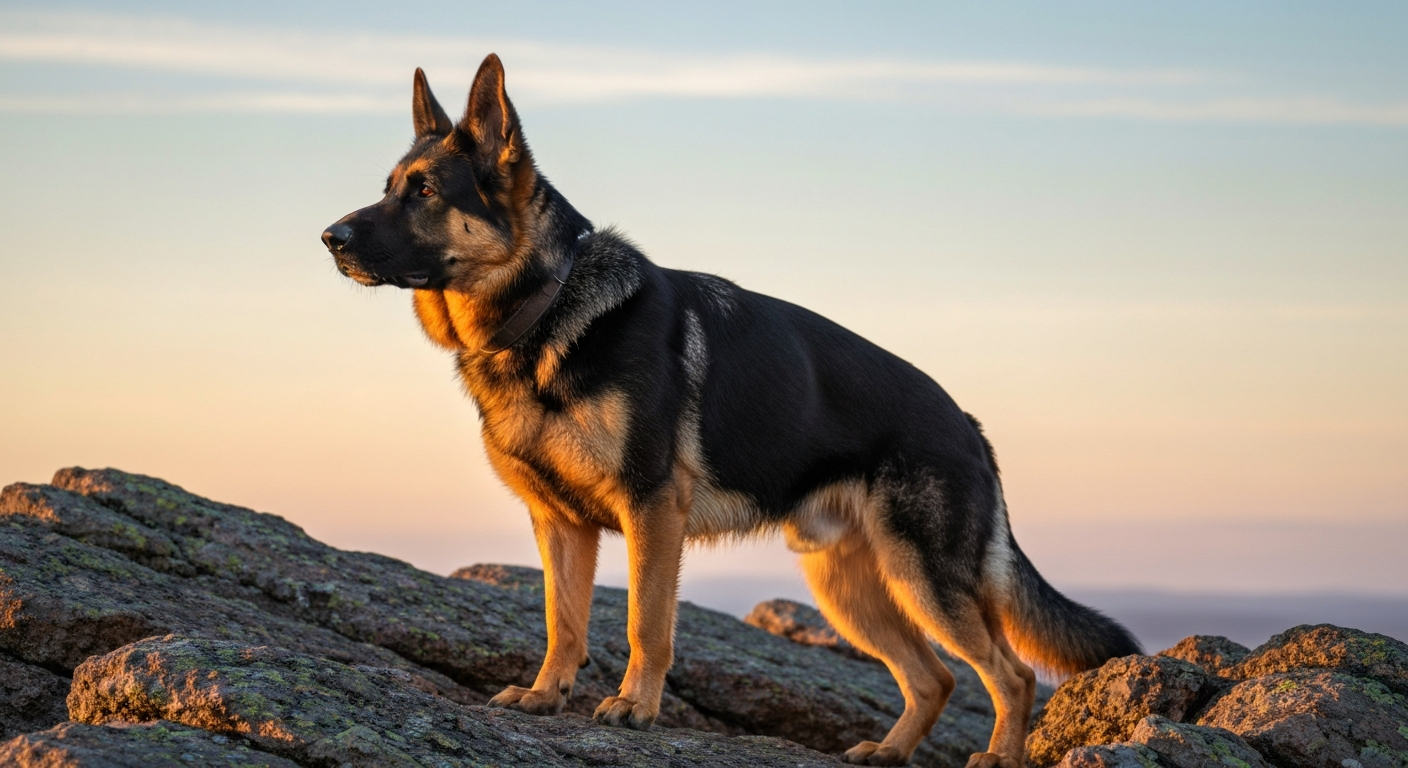
You see them everywhere: working alongside police officers, starring in blockbuster movies, and trotting proudly beside their owners in the park. The German Shepherd Dog (GSD) is an icon—a symbol of intelligence, loyalty, and courage. It's no wonder that when people think of getting their first 'real' dog, the GSD often tops the list. But here's the question we need to answer honestly: is a German Shepherd good for first-time owners?
As a lifelong breed specialist, I can tell you the answer isn't a simple yes or no. Owning a German Shepherd can be one of the most rewarding experiences of your life, but it can also be an overwhelming challenge if you aren't prepared. This isn't a plug-and-play breed. This is a high-performance working dog that demands a true partnership. So, let's break down the beautiful, the brilliant, and the brutally honest truths about bringing a GSD into a novice home.
Understanding the German Shepherd temperament: More than just a pretty face
The GSD was originally bred for herding sheep, a job that required intelligence, athleticism, and a strong work ethic. These traits are still hardwired into their DNA. Their brain is a powerful engine that is always running. For a prepared owner, this is a dream. For an unprepared one, it can lead to chaos.
A GSD is fiercely loyal and bonds deeply with its family, often singling out one person as their primary companion. They are famously courageous and have a natural protective instinct. However, this same instinct can morph into territorialism or suspicion of strangers if not managed through rigorous socialization from puppyhood. They are sensitive, intuitive dogs that thrive on structure, routine, and having a job to do—even if that job is just advanced obedience training.
The pros: Why a GSD might be your perfect first dog
Let's start with the incredible qualities that make people fall in love with this breed. If these points resonate deeply with your lifestyle and commitment level, you might be on the right track.
Unmatched intelligence and trainability
German Shepherds are consistently ranked among the top three most intelligent dog breeds. What does this mean for you? They learn commands with astonishing speed. House training, basic obedience, and even complex tricks can be mastered quickly, which is incredibly rewarding for a new owner. An effective dog training program is not just a suggestion; it's a vital way to engage their mind and build a common language with your dog.
A deeply loyal and loving companion
The bond with a German Shepherd is profound. They are not aloof; they want to be involved in every aspect of your life. This is the dog that will wait by the door for you to come home and follow you from room to room. For someone seeking a true four-legged partner to share their life with, this unwavering devotion is second to none.
An active lifestyle partner
If you're an avid hiker, runner, or love spending weekends exploring the outdoors, a GSD could be your ideal companion. They have the stamina and enthusiasm to keep up with almost any activity. They don't just tolerate an active life; they crave it.
The challenges: Why a GSD could overwhelm a novice
This is the most critical section. Read this carefully and be honest with yourself. These challenges are not 'maybes'—they are certainties you will face as a GSD owner.
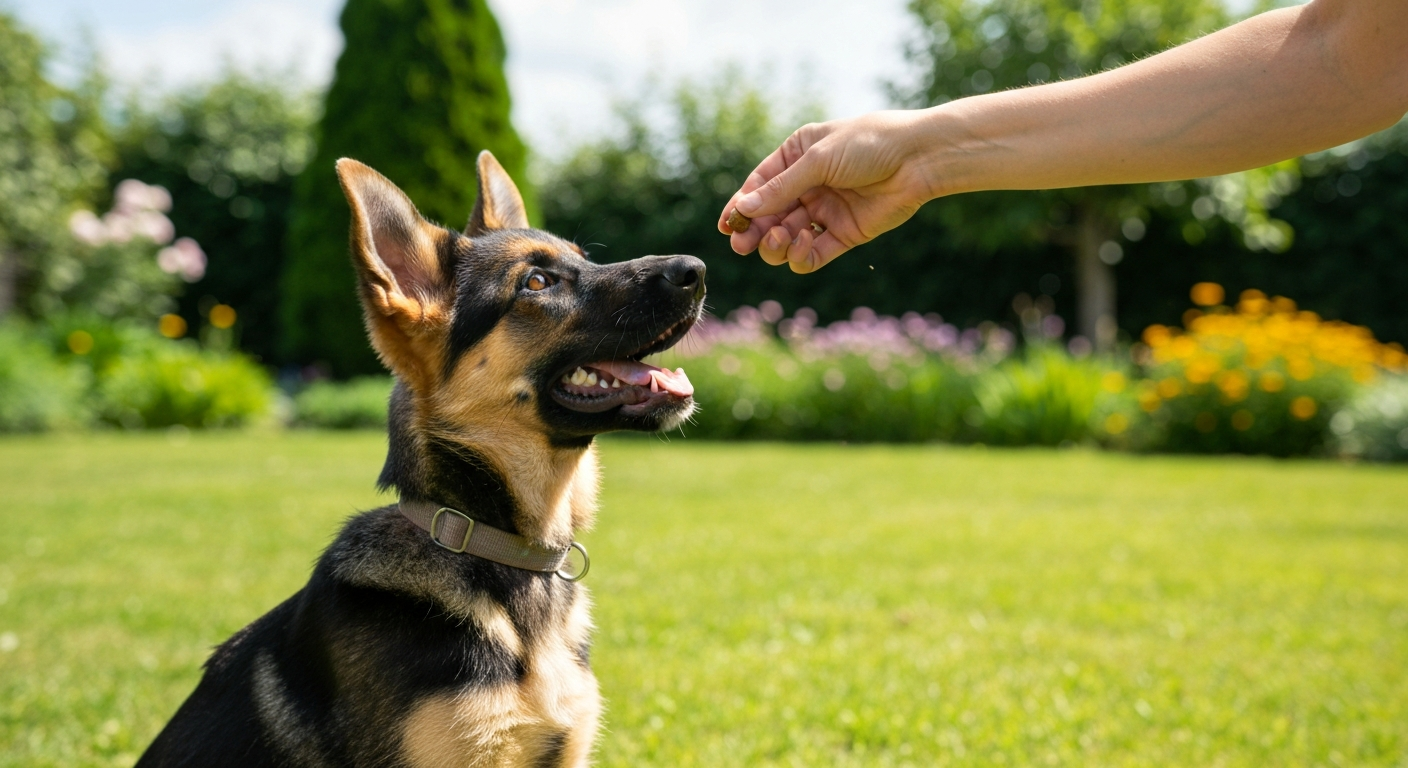
Their energy is not a suggestion, it's a requirement
A GSD needs, at a minimum, two hours of vigorous mental and physical exercise every single day. A short walk around the block will not cut it. A bored GSD is a destructive GSD. That brilliant brain, when under-stimulated, will find its own work—and that 'work' often involves chewing your furniture, digging up your garden, or developing neurotic barking habits. You must be committed to this level of activity, rain or shine.
Early and consistent socialization is non-negotiable
Because of their protective nature, GSDs must be socialized extensively from a young age (8-16 weeks is a critical window). This means positive, controlled exposure to a wide variety of people, sounds, places, and other dogs. Without it, their natural wariness can develop into fear, reactivity, or aggression. This is the single biggest mistake first-time owners make and one of the main reasons GSDs end up in shelters.
The 'German Shedder' is real
German Shepherds have a thick double coat and shed profusely year-round, with two major 'coat blows' a year where the volume of hair is truly astonishing. If you're house-proud or have allergies, this is not the breed for you. Daily brushing is required to keep it under control.
Potential for significant health issues
Like many purebred dogs, GSDs are prone to certain genetic conditions. Hip and elbow dysplasia are common, as is a life-threatening condition called Gastric Dilatation-Volvulus (bloat). Understanding these risks and the importance of responsible breeding is a core part of canine health care and can save you from future heartbreak and expensive vet bills.
A quick look at German Shepherd breed stats
To help you get a snapshot of the breed, here are some key statistics presented in a quick-reference format.
- Temperament:
- Loyal, Intelligent, Courageous, Confident, Work-Oriented
- Height:
- 24-26 inches (males), 22-24 inches (females)
- Weight:
- 65-90 pounds (males), 50-70 pounds (females)
- Life Expectancy:
- 9-13 years
- Grooming Needs:
- High (daily brushing required)
- Exercise Needs:
- Very High (2+ hours per day)
The cost of owning a German Shepherd in 2026
Financial readiness is a huge part of responsible pet ownership. A GSD is a significant financial commitment beyond the initial purchase price.
| Expense Category | Estimated Initial Cost | Estimated Annual Cost |
|---|---|---|
| Adoption/Purchase Fee | $500 - $3,000+ | N/A |
| Initial Supplies (Crate, Bowls, Leash, etc.) | $300 - $600 | $100 - $200 (replacements) |
| Food | N/A | $800 - $1,500 |
| Routine Vet Care & Preventatives | $400 - $700 (puppy shots) | $500 - $800 |
| Training Classes | $200 - $600 | $200+ (ongoing) |
| Grooming | N/A | $100 - $400 (if professional) |
| Total Estimated Cost | $1,400 - $4,900+ | $1,700 - $2,900+ |
The final verdict: So, should you get a GSD as your first dog?
A German Shepherd is an excellent dog for the right first-time owner. Who is that person? They are someone who has done extensive research, is highly active, and is genuinely excited by the prospect of consistent, lifelong training. They have the time, patience, and financial stability to provide for a large, energetic, and intelligent dog.
However, if you're looking for a low-maintenance companion, have a very busy schedule that leaves little time for dedicated training and exercise, or are not prepared for the constant management their intelligence requires, then a German Shepherd is likely not the right first dog for you. And that's okay! There are hundreds of other wonderful dog breeds, one of which will be a perfect fit for your lifestyle.
Choosing a German Shepherd as your first dog is choosing to start your dog ownership journey on the 'hard mode' difficulty setting. The rewards are immense—a partnership of unparalleled loyalty and intelligence. But the demands are equally great. Be honest with yourself about your capacity to meet them, and you'll make the right choice for both you and your future canine companion.
Frequently Asked Questions
Are German Shepherds naturally aggressive?
No, German Shepherds are not inherently aggressive. They are naturally protective and wary of strangers, which can be misinterpreted. A lack of early and proper socialization is the primary cause of reactivity or aggression in the breed.
How much exercise does a German Shepherd need every day?
A healthy adult German Shepherd requires a minimum of 2 hours of exercise per day. This should be a mix of physical activity like running or fetching and mental stimulation like training or puzzle toys.
Are German Shepherds good with children and other pets?
When raised with them from a young age and properly socialized, German Shepherds can be incredibly loyal and gentle family companions. However, their herding instincts may cause them to 'nudge' or 'herd' small children, and supervision is always recommended. Introductions to other pets should be done carefully and slowly.