
Choosing the right dog breed is a significant decision that shapes your lifestyle, home, and daily routines for years to come. Two breeds that often capture the attention of prospective owners are the Cocker Spaniel and the Border Collie. While both make wonderful companions, they possess distinct traits, temperaments, and needs. Understanding these differences is crucial for a happy and harmonious life for both you and your dog. As a pet behaviorist, I've observed firsthand how a good match between a dog's natural characteristics and a family's lifestyle leads to the most successful outcomes.
Understanding the core differences: Cocker Spaniel vs Border Collie
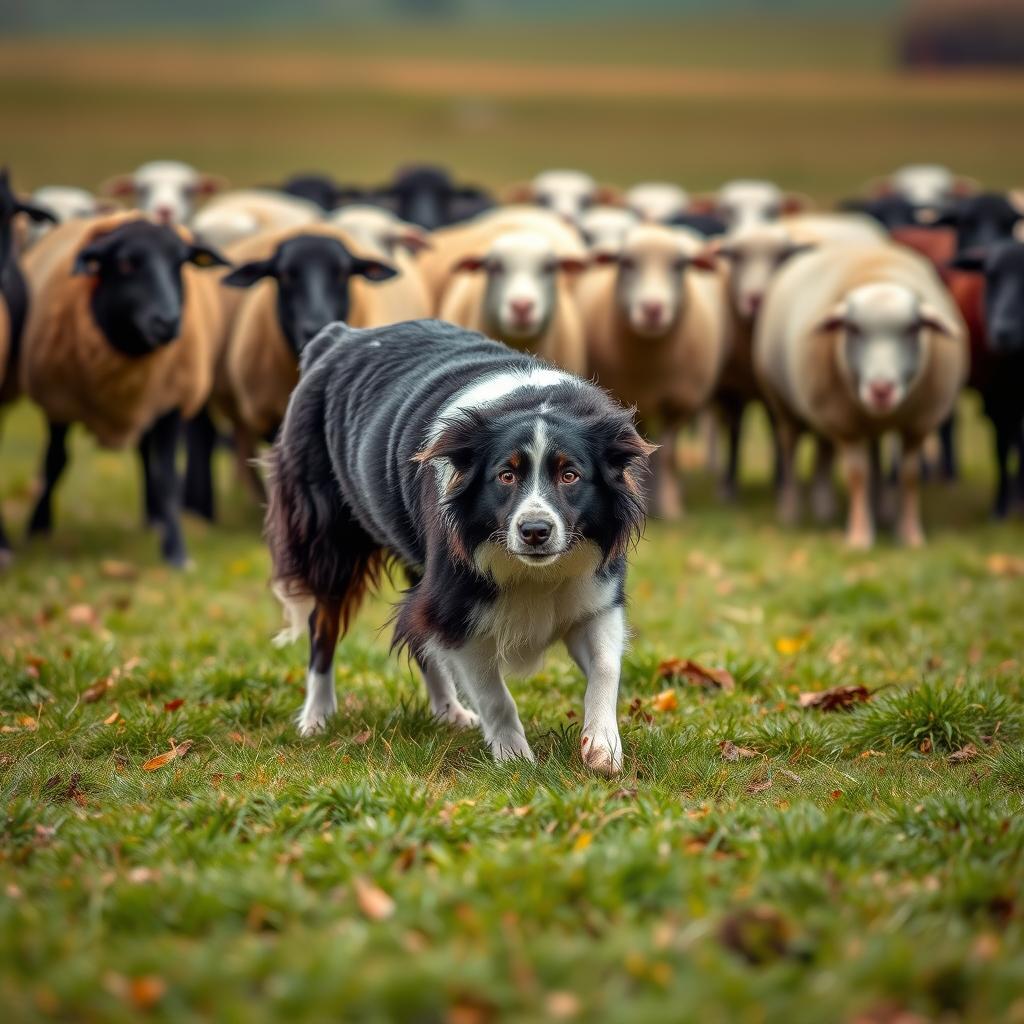
At first glance, these two breeds might appear suitable for similar family settings, but their underlying drives and needs are quite different. The Cocker Spaniel, often recognized by its happy wag and expressive eyes, was bred for companionship and retrieving. The Border Collie, conversely, is an outstanding working dog, historically bred for herding sheep, which imbues it with exceptional intelligence and a tireless work ethic.
- Breed group:
- Sporting (Cocker Spaniel) vs. Herding (Border Collie)
- Original purpose:
- Flushing and retrieving birds (Cocker Spaniel) vs. Herding sheep (Border Collie)
- Energy level:
- Moderate to high (Cocker Spaniel) vs. Very high (Border Collie)
- Trainability:
- Eager to please, good (Cocker Spaniel) vs. Exceptionally high, excels at complex tasks (Border Collie)
- Mental stimulation needs:
- Moderate (Cocker Spaniel) vs. Very high (Border Collie)
- Grooming needs:
- Moderate to high (regular brushing, professional grooming) (Cocker Spaniel) vs. Moderate (regular brushing) (Border Collie)
- Sociability:
- Generally good with families and other pets (Cocker Spaniel) vs. Can be reserved with strangers, may attempt to herd children or other pets if not managed (Border Collie)
Temperament and personality: A closer look
Regarding temperament, the Cocker Spaniel is typically a joyful, affectionate, and people-focused dog. They thrive on human interaction and often form strong bonds with their families. Their inherently cheerful nature means they are usually enthusiastic participants in family activities, content to relax on the sofa after a good play session. They possess a gentle disposition, often making them good with children, provided both child and dog are taught respectful interaction. Early socialization is, of course, vital for any dog, helping them develop into well-adjusted adults.
The Border Collie, however, is a breed defined by its intelligence and intensity. They are incredibly perceptive, able to read their handler's emotions and intentions with remarkable accuracy. This makes them outstanding partners for demanding tasks and dog sports. While loyal and devoted to their families, their herding background means they can be quite driven. This drive may manifest as a desire to "work" constantly, which could include trying to herd children or other pets. They need owners who understand and can channel this energy productively. For owners interested in advanced training, exploring advanced dog training techniques can be incredibly rewarding with a Border Collie.
Energy levels and exercise requirements
Both breeds are active, but the Border Collie's energy levels are in a different category. A Cocker Spaniel needs daily exercise to remain healthy and happy. This typically involves one to two brisk walks per day, plus active playtime in a securely fenced yard. Without sufficient exercise, a Cocker Spaniel can become overweight, which can lead to health issues. Their grooming also requires regular attention, with their long, silky coats needing frequent brushing to prevent mats and tangles.
Border Collies, conversely, are often described as having near-unlimited stamina. They require significant physical exertion daily, far beyond a simple walk around the block. Think long runs, hikes, playing fetch for extended periods, or participating in canine sports like agility, flyball, or herding trials. If their physical and mental needs are not met, a Border Collie can become frustrated, anxious, and may exhibit destructive behaviors like chewing or excessive barking. Their coat is less prone to matting than a Cocker Spaniel's but still requires regular brushing to manage shedding and maintain its condition.
Training and mental stimulation: Engaging their sharp minds
When it comes to training, both breeds are generally receptive to learning. Cocker Spaniels are eager to please and respond well to positive reinforcement methods. They can excel in basic obedience and even some dog sports. Their intelligence, combined with their desire for approval, makes them relatively straightforward to train for the average pet owner.
The Border Collie's intelligence is legendary. They learn commands with incredible speed and can master complex sequences of behaviors. This high level of cognitive ability, however, means they require substantial mental stimulation to prevent boredom. Puzzle toys, scent work, advanced obedience, and dog sports are not just recommended; they are essential for a well-adjusted Border Collie. Without this mental engagement, their intelligence can lead to problem behaviors. If you are considering a Border Collie, understanding their need for mental challenges is paramount. This is a breed that truly thrives when given a "job" to do.
Socialization and living environment
Proper socialization from a young age is critical for both breeds. For Cocker Spaniels, early exposure to various people, places, sounds, and other animals helps them develop into confident, well-mannered companions. They generally adapt well to family life and can coexist peacefully with children and other pets when properly introduced and supervised.
Border Collies also benefit greatly from early and ongoing socialization. Due to their herding instinct, it's important to teach them appropriate behavior around children and other animals. Some Border Collies may exhibit a natural inclination to "herd" children by nipping at their heels or attempting to control their movements. Positive training can redirect this behavior. They often do best in homes where they have a dedicated handler or a "job" to perform, such as participating in agility training or accompanying their owner on active adventures. A home with a large, securely fenced yard is highly beneficial, though their exercise needs often extend beyond what a yard alone can fulfill.
Health and care considerations
While all dogs can experience health issues, some conditions are more common in certain breeds. It's important to be aware of these possibilities. For Cocker Spaniels, potential concerns can include ear infections due to their floppy ears, eye conditions like progressive retinal atrophy (PRA), and hip dysplasia. Regular ear cleaning, routine veterinary check-ups, and maintaining a healthy weight are important preventative measures.
Border Collies are generally a robust breed, but they can be prone to certain genetic conditions, including hip dysplasia, elbow dysplasia, and Collie Eye Anomaly (CEA). Responsible breeders will screen their dogs for these conditions. As with all dogs, regular exercise and a balanced diet contribute significantly to their overall health. Owners should be observant for any changes in their dog's behavior or physical condition, such as lethargy or reluctance to move, and consult their veterinarian promptly. Understanding the general health considerations for your chosen breed is part of responsible dog health care.
Which breed is right for you?
The decision between a Cocker Spaniel and a Border Collie hinges on your lifestyle, experience with dogs, and commitment to meeting their specific needs.
| Feature | Cocker Spaniel | Border Collie |
|---|---|---|
| Ideal owner | Families, individuals seeking an affectionate companion, first-time owners prepared for grooming. | Experienced owners, active individuals/families, those committed to extensive training and exercise. |
| Activity level required | Daily walks, playtime. Moderate. | Vigorous daily exercise, mental challenges. Very high. |
| Training approach | Positive reinforcement, focus on obedience and companionship. | Positive reinforcement, advanced training, canine sports, structured work. |
| Grooming commitment | Daily brushing, regular professional grooming. | Weekly brushing to manage shedding. |
| Mental stimulation | Moderate, beneficial for preventing boredom. | Essential, requires creative and consistent engagement. |
If you're seeking a devoted, happy companion who enjoys being part of family activities and can adapt to a moderately active lifestyle, and you are prepared for regular grooming, the Cocker Spaniel might be an excellent fit. They offer a wonderful balance of affection and playfulness.
However, if you are an active individual or family with significant time and energy to dedicate to training, exercise, and mental engagement, and you appreciate a highly intelligent, driven canine partner, the Border Collie could be your ideal match. This breed excels when partnered with an owner who understands their working heritage and can provide the challenges they need to thrive.
Ultimately, both breeds can make incredible pets. The key is to choose the dog whose inherent needs and characteristics align with your capacity to provide a fulfilling home. Understanding these differences is the first step toward a lasting and joyful relationship with your new best friend. For more insights into choosing a dog, consider exploring general pet ownership guides.
Frequently Asked Questions
What are the main temperament differences between Cocker Spaniels and Border Collies?
Cocker Spaniels are generally known for being cheerful, affectionate, and eager to please, often described as happy-go-lucky. They tend to be very people-oriented and enjoy being part of family activities. Border Collies, on the other hand, are renowned for their intelligence, intensity, and strong work ethic. They are highly driven, perceptive, and can be more reserved with strangers, excelling in tasks that require problem-solving and focus.
Which breed requires more mental stimulation: Cocker Spaniel or Border Collie?
Border Collies require significantly more mental stimulation than Cocker Spaniels. Their immense intelligence and innate drive mean they need constant engagement through training, complex tasks, or challenging games. Without sufficient mental work, a Border Collie can become bored, anxious, or develop behavioral issues. Cocker Spaniels also benefit from mental enrichment but generally have less intense needs.
How much exercise does each breed typically need?
Both breeds are active but have different exercise requirements. Cocker Spaniels need regular daily exercise, such as brisk walks and playtime, to maintain their health and prevent weight gain. Border Collies, however, are one of the most energetic breeds and require substantial daily exercise, often including vigorous activities like running, hiking, or participating in dog sports, to prevent destructive behaviors stemming from pent-up energy.
Are Cocker Spaniels or Border Collies better for first-time dog owners?
Generally, Cocker Spaniels are often considered more suitable for first-time dog owners due to their generally more relaxed demeanor and eagerness to please, which can make training a bit more straightforward. Border Collies, with their high intelligence, intense needs for mental and physical stimulation, and potential for strong-willed behavior if not properly managed, can be more challenging for inexperienced owners. Consistent training and ample activity are crucial for a Border Collie.