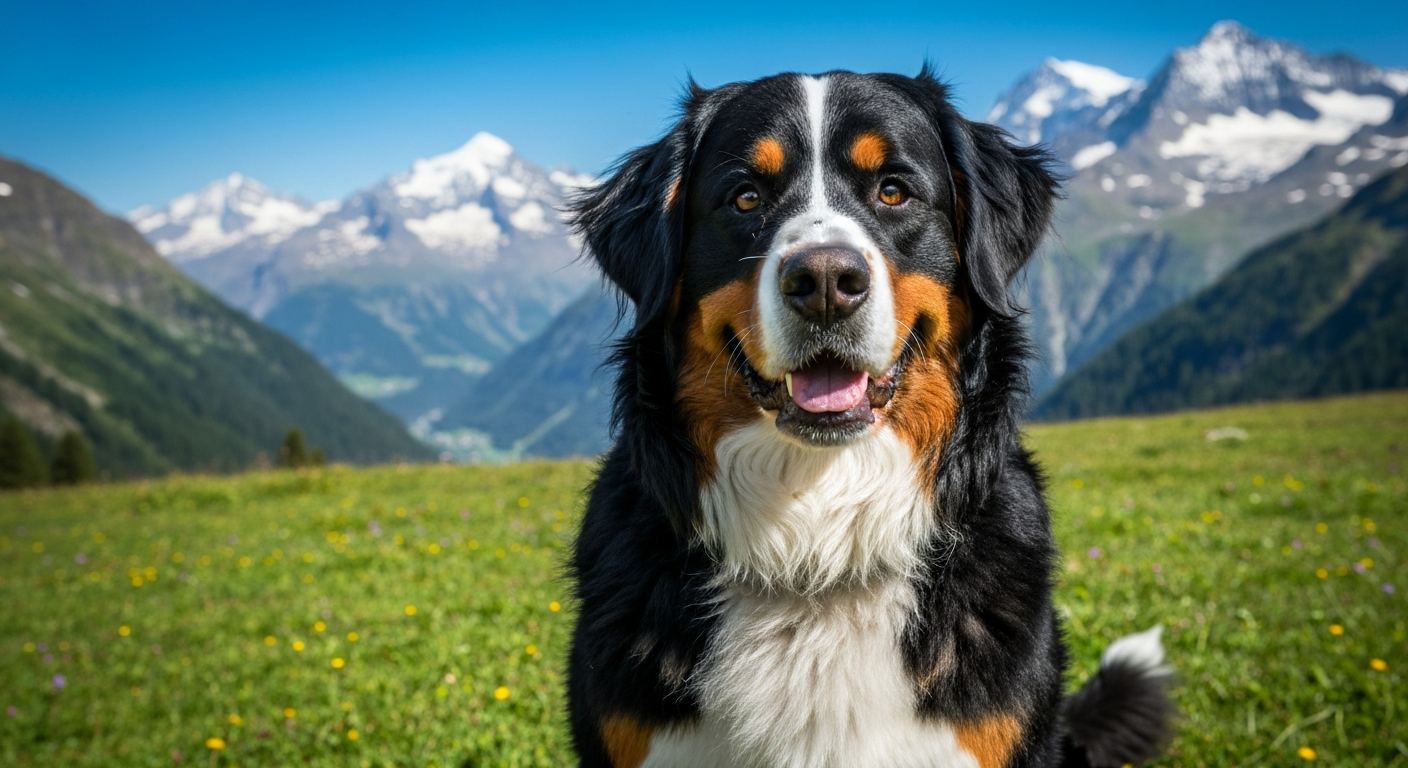
Welcoming a Bernese Mountain Dog into your family means sharing your life with a sensitive, social, and very large companion. In my work as a pet behaviorist, I often see owners dedicate hours to obedience training and socialization while overlooking one of the most powerful influences on behavior: nutrition. The food you put in your dog's bowl directly shapes their focus, mood, and daily energy levels. These giant dogs have specific physical demands that require a careful approach right from the start.
Connecting diet to daily behavior is an invaluable tool when raising this gentle Swiss breed. Balanced meals keep their famously calm, easygoing temperament stable. Proper daily nutrition acts as a simple foundation of preventive care, helping them stay active and comfortable for as many years as possible. You can read more about raising large companions in our dog breeds section.
How nutrition directly shapes behavior
Dogs can easily become irritable or sluggish when their diet is out of balance. If a dog is missing vital nutrients or carrying excess weight, physical discomfort quickly follows, which almost always manifests as behavioral changes. For example, a dog with sore joints might hesitate to climb stairs, vocalize when moving, or refuse to sit on command. When an animal is dealing with physical discomfort, they simply cannot focus on training or learning new habits.
Unstable energy levels also disrupt daily training. Foods loaded with low-quality fillers often trigger sudden bursts of hyperactivity followed by a sharp crash, making consistent training incredibly difficult. Providing high-quality, steady nutrition helps your dog remain calm, focused, and attentive. If you are currently working on household manners, you can find practical guidance in our section on dog training.
Feeding a large-breed puppy for safe growth
The puppy stage is a critical window for a Bernese Mountain Dog. These dogs grow incredibly fast, often weighing eighty pounds or more before their first birthday. Growing too quickly puts dangerous pressure on their developing skeletal system, which needs time to mature and support their heavy adult frames. When a puppy eats a diet too high in calories, rapid growth can lead to permanent joint issues.
To keep their development safe and steady, choose a high-quality recipe formulated specifically for large-breed puppies. These formulas contain controlled nutrient levels to prevent rapid growth spurts. When checking the packaging, look for a moderate protein level, ideally between 22% and 26%, which builds healthy muscle without forcing bones to grow too fast. Keep fat levels controlled, around 12% to 15%, to prevent extra weight from stressing soft, developing joints. Lastly, ensure calcium levels are balanced between 0.9% and 1.2% so their skeletal system matures at a safe, gradual pace.
I always advise measuring your puppy's meals with a scale or measuring cup rather than guessing. Accurate portions prevent accidental overfeeding, which is incredibly easy to do because these food-loving puppies will happily eat far more than they actually need.
Nutritional needs for adult giant breeds
By the time they reach about two years of age, Bernese Mountain Dogs are fully grown, and their nutritional priorities shift. Their diet should now focus on maintaining a lean weight and supporting their hard-working joints. Because they were historically bred for farm work and pulling carts, they can be surprisingly efficient with calories, meaning they put on weight easily if they eat more than they burn off.
Look for adult dog foods that feature real meats like chicken, lamb, or beef as the first ingredient, alongside easily digestible carbohydrates like brown rice or sweet potatoes. Adding healthy fats, particularly omega-3 fatty acids from fish oil, supports skin health and keeps their thick double coat soft and shiny. For more information on daily preventative care, take a look at our guide on dog health care.

This table provides a general guide for daily caloric intake based on your dog's age and activity levels:
| Life Stage / Activity Level | Average Weight (lbs) | Recommended Daily Calories (kcal) | Primary Diet Focus |
|---|---|---|---|
| Puppy (4 to 8 months) | 45 to 75 | 1,800 to 2,200 | Controlled growth to protect developing joints |
| Active adult | 80 to 110 | 2,200 to 2,500 | Maintaining lean muscle and daily energy |
| Less active or senior adult | 75 to 115 | 1,400 to 1,700 | Weight control and extra joint support |
Remember that these numbers are only a starting point. Every dog has an individual metabolism, and factors like daily exercise, age, and even local weather can change how much food they need. Consult your veterinarian to find the exact portion sizes for your dog's specific needs.
Preventing bloat through smart feeding habits
Deep-chested breeds like the Bernese Mountain Dog are prone to bloat, a serious, life-threatening condition where the stomach fills with gas and twists. While genetics play a role, daily habits and feeding routines make a major difference. As a behaviorist, I always look closely at how a dog eats, because fast eating and mealtime anxiety significantly increase these risks.
When dogs eat too quickly, they gulp down excess air. Using a slow-feeder bowl or interactive puzzle toy is an easy way to slow them down, transforming mealtime into a relaxing, brain-stimulating activity. It is also much safer to divide their food into two or three smaller meals spread throughout the day rather than giving them one large portion.
Set up a calm, predictable routine around meal times. Avoid strenuous play, long walks, or high-energy training for an hour before and after eating. Keep their dining area quiet and stress-free. If you live in a multi-pet home, feeding your dogs in separate rooms can prevent competitive eating and resource guarding, which often cause dogs to inhale their food out of anxiety.
Senior years and diet adjustments
Bernese Mountain Dogs reach their senior years around age six or seven, and their metabolism begins to slow down. Keeping them lean during this stage of life is incredibly important. Even a little extra weight places serious strain on aging, stiff joints, making it much harder for them to move comfortably.
Look for senior-specific dog foods that have a lower fat content but still offer high-quality protein to maintain muscle mass. Many senior recipes include added fiber to help your dog feel full and satisfied without consuming too many calories, along with joint-supporting ingredients.
Keep a close eye on subtle behavioral clues that suggest your older dog is feeling uncomfortable. If you notice them rising slowly, hesitating before jumping into the car, or pacing restlessly at night, they might be experiencing joint pain. Along with discussing these changes with your veterinarian, you can make simple adjustments around the house. Raising their food and water bowls slightly off the floor reduces strain on their neck and front legs, making mealtime much easier. Always work closely with your vet to manage any comfort issues your senior companion experiences.
Frequently Asked Questions
How often should I feed an adult Bernese Mountain Dog?
You should feed an adult Bernese Mountain Dog twice a day, dividing their daily caloric intake into morning and evening meals. Spacing meals out reduces the risk of eating too quickly, which helps prevent life-threatening stomach bloating.
What is the best way to tell if my Bernese Mountain Dog is overweight?
Since Bernese Mountain Dogs have thick double coats, you cannot rely on sight alone. Use your hands to feel along their ribcage. You should be able to feel each rib easily under a thin layer of fat without pressing hard. If you have to press firmly to find the ribs, your dog is likely carrying excess weight.
Can I feed my Bernese Mountain Dog puppy standard puppy food?
No, standard puppy food can cause large breeds to grow too quickly, putting severe stress on their developing joints. Always feed a high-quality kibble formulated specifically for large or giant breeds, which contains controlled levels of calcium, phosphorus, and fat.
What are the behavioral signs that my senior dog's diet needs adjusting?
If your senior Bernese is showing signs of stiffness, reluctance to stand up after resting, slow movement, or general lethargy, they may be struggling with joint discomfort. Reducing their calorie intake to prevent weight gain and introducing joint supplements can help keep them comfortable and active.