
The Bulldog. The name alone evokes a sturdy, determined dog with a distinctive wrinkled face and an undeniable presence. These dogs have charmed people for generations, known for their loyal and loving personalities. But is the Bulldog the right fit for your home and lifestyle? As a pet behaviorist, I often advise prospective owners to look beyond the charming exterior and understand the breed's unique needs and characteristics. Let's explore the advantages and challenges of bringing a Bulldog into your life.
Understanding Bulldog temperament and behavior
At their core, Bulldogs are affectionate, gentle, and courageous. They are often described as dependable and calm, making them wonderful family pets. Their loyalty to their families is unwavering, and they tend to form strong bonds with their owners. While they possess a calm demeanor, they can also be playful and enjoy short bursts of activity.
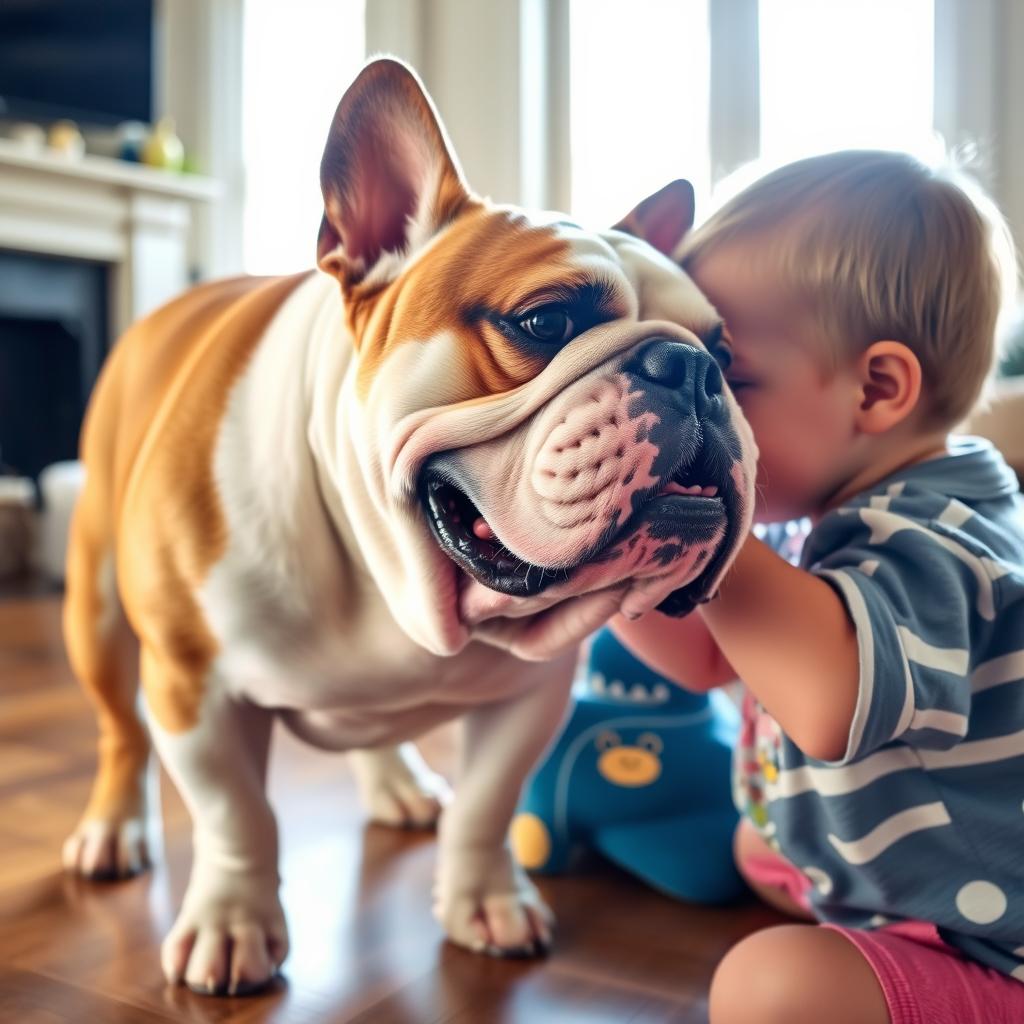
One of the most appealing aspects of the Bulldog's temperament is their patience, especially with children. This, combined with their sturdy build, often makes them seem like natural companions. However, it's crucial to remember that no dog, regardless of breed, should ever be left unsupervised with young children. Early socialization is key to ensuring they grow into well-adjusted adults, comfortable around various people, other animals, and different environments.
Bulldogs can also be quite comical. Their unique gait and expressions often bring smiles to faces. They are not typically prone to excessive barking, which is a bonus for those living in close proximity to neighbors. Their desire to be close to their family means they thrive on companionship and can experience stress if left alone for too long.
The advantages of owning a Bulldog
There are many wonderful reasons why Bulldogs are so beloved:
- Affectionate Companionship: Bulldogs are incredibly loving dogs. They crave human interaction and are happiest when spending time with their families. They aren't overly demanding of attention but truly enjoy being part of household activities.
- Good with Families: Their inherent patience and gentle nature make them excellent companions for families with children. They are robust enough to handle the playful interactions of kids, while remaining remarkably tolerant.
- Adaptable Living: Bulldogs don't require vast amounts of space or extensive exercise. This makes them suitable for apartment living or for owners who may not have a large yard. Short daily walks are generally sufficient to keep them healthy and happy.
- Simple Grooming (Superficially): While they don't require daily brushing like some long-haired breeds, their short coat is relatively easy to maintain. Regular bathing and occasional brushing will keep their coat healthy. However, the wrinkle care is significant, as discussed later.
- Quiet Nature: Bulldogs are not excessive barkers. This makes them a good choice for owners who prefer a quieter household or live in areas with noise restrictions.
The challenges of owning a Bulldog
Despite their many charms, Bulldogs come with a set of challenges that potential owners must be prepared for:
- Health Predispositions: This is perhaps the most significant consideration. Bulldogs have short muzzles, which can lead to a range of respiratory issues, making them susceptible to heat intolerance and reduced stamina. They often snore, snuffle, and can have difficulty breathing, especially in warmer temperatures or during strenuous activity. Conditions like joint problems and various skin allergies are also common. Regular veterinary care and proactive management are essential, which can lead to higher healthcare costs. Understanding dog health care needs is paramount for this breed.
- Stubbornness in Training: While intelligent, Bulldogs can be notoriously stubborn and independent. Consistent, patient, and positive reinforcement training is necessary. They don't respond well to harsh methods and can become more resistant if pushed too hard.
- Wrinkle Care: Those adorable facial wrinkles need diligent cleaning. Food debris, moisture, and dirt can accumulate, leading to uncomfortable skin irritation. This daily cleaning routine is essential for maintaining their health and comfort.
- Heat Intolerance: Due to their breathing structure, Bulldogs are very sensitive to heat. They cannot tolerate extreme temperatures and are prone to overheating. Owners must take precautions, such as ensuring they have access to shade and cool water, and avoiding exercise during the hottest parts of the day.
- Potential for Drooling: While not all Bulldogs drool excessively, some do. Be prepared for occasional cleanup, especially after meals or when excited.
Daily care for your Bulldog
Providing proper care for a Bulldog involves attention to their specific needs. This goes beyond basic feeding and walking.
Feeding and nutrition
Bulldogs are prone to weight gain, which can worsen existing health problems like joint issues and breathing difficulties. A carefully controlled diet is crucial. High-quality dog food appropriate for their age and activity level is recommended. Portion control is key. Consult your veterinarian about the best feeding schedule and portion sizes to keep your Bulldog at a healthy weight. Scheduled meals help manage intake.
Exercise needs
As mentioned, Bulldogs need moderate exercise. Aim for two short walks per day, around 15-30 minutes each. Always monitor your Bulldog for signs of fatigue or overheating, especially in warm weather. Mental stimulation is also important; puzzle toys or short training sessions can keep their minds engaged.
Grooming
Beyond coat care, the most critical grooming aspect for Bulldogs is their facial wrinkles. Clean them daily with a soft, damp cloth or specialized pet wipes. Ensure the wrinkles are thoroughly dried afterward to prevent irritation. Regular checks of their ears, eyes, and nails are also part of a comprehensive grooming routine. Dental hygiene is also important; regular brushing can help prevent dental issues.
Training and socialization
Begin training and socialization as early as possible. Use positive reinforcement techniques such as treats, praise, and play. Short, consistent training sessions are more effective than long, drawn-out ones. Early exposure to various sights, sounds, people, and other animals will help your Bulldog develop into a confident and well-behaved adult. If you're struggling with training, consider seeking guidance from a professional dog trainer.
Health considerations: A closer look
It's impossible to discuss Bulldogs without addressing their health. While dedicated breeders work to improve breed health, certain predispositions remain. Understanding these helps owners prepare and provide the best possible care.
Breathing issues common in short-nosed breeds
This can include narrow nostrils, an elongated soft palate, and other anatomical variations. Symptoms range from noisy breathing and snorting to severe breathing distress. Owners should be aware of these signs and seek veterinary attention promptly if their Bulldog struggles to breathe.
Skin issues
Allergies are common in Bulldogs, often showing up as itchy skin, localized redness, and ear infections. Keeping their skin clean and dry, especially in the wrinkles, is vital. Diet can also play a role, so discuss any suspected allergies with your veterinarian. Proper skin care is a key part of dog health care for this breed.
Orthopedic problems
Conditions like hip dysplasia, elbow dysplasia, and luxating patellas can affect Bulldogs. Maintaining a lean body weight through diet and moderate exercise is crucial for supporting their joints and reducing stress.
Eye problems
Bulldogs are prone to several eye conditions, including prolapse of the third eyelid gland, eyelids rolling inward, and dry eye. Regular eye checks by your vet are important.
Is a Bulldog right for you?
Owning a Bulldog is a commitment. They offer unparalleled companionship and a unique personality, but they also require significant attention to their health and care needs. They are best suited for owners who:
- Are prepared for potential veterinary expenses associated with breed-specific health issues.
- Have the time and dedication for daily wrinkle cleaning and monitoring their dog's health.
- Can provide a stable, loving environment with consistent training and socialization.
- Understand and can manage their dog's limitations, particularly regarding heat and strenuous exercise.
- Are looking for a devoted, calm, and affectionate companion.
If you are prepared to meet these needs, a Bulldog can bring immense joy and love into your home. Their distinctive charm, coupled with their devoted nature, makes them truly special members of the canine family.
Frequently Asked Questions
What are the main pros of owning a Bulldog?
Bulldogs are known for their calm and affectionate nature, making them excellent companions. They are generally good with children and other pets, and their moderate exercise needs mean they can adapt to various living situations, including apartments. Their distinctive appearance is also a significant draw for many owners.
What are the main cons of owning a Bulldog?
Bulldogs can be prone to several health issues, particularly related to their brachycephalic (short-nosed) structure, which can cause breathing difficulties and heat intolerance. They also require diligent grooming, especially around their facial wrinkles, and can be stubborn to train. Their health concerns can lead to significant veterinary expenses.
Are Bulldogs easy to train?
While intelligent, Bulldogs can be independent and stubborn. Training requires patience, consistency, and positive reinforcement methods. Early socialization is crucial to help them develop into well-behaved adults. Consistency in <a href="https://breedexplorer.com/dog-training">dog training</a> is key for any breed, but particularly for Bulldogs.
Do Bulldogs need a lot of exercise?
No, Bulldogs are not high-energy dogs. They require moderate daily exercise, such as short walks, to maintain their health and prevent obesity. Overexertion should be avoided, especially in warm weather, due to their propensity for heatstroke.
What are common health concerns for Bulldogs?
Common concerns include brachycephalic syndrome (breathing issues), hip dysplasia, skin allergies, eye problems (like cherry eye), and heart conditions. Their facial wrinkles need regular cleaning to prevent infections. It is essential to work with a veterinarian for regular check-ups and management of any health issues.