
The German Shepherd is a breed admired for its intelligence, loyalty, and distinctive appearance. A key part of their recognizable look is their thick, weather-resistant double coat. As a pet behaviorist, I understand that looking after your dog's coat involves more than just making them look good. It's directly tied to their comfort, health, and overall well-being, which in turn influences their behavior. A well-maintained German Shepherd is typically a happier, more comfortable companion. Let's explore how to keep your GSD's coat in excellent condition.
Understanding the German Shepherd Coat
German Shepherds possess a double coat, a common trait in breeds originating from colder climates or those utilized for herding. This coat features two distinct layers:
- The outer coat consists of longer, stiffer guard hairs. It serves as a protective barrier against weather elements like rain and sun, and helps to repel dirt.
- Beneath the outer layer lies a finer, fluffier coat of shorter hairs. This undercoat is crucial for insulation, helping your dog stay warm in winter and surprisingly cool in summer by trapping air.
Due to this double-layer system, German Shepherds shed continuously, with more noticeable shedding periods, often referred to as 'blowing coat,' occurring approximately twice a year. This shedding is a natural process that aids in regulating their body temperature. Understanding this helps us provide the appropriate care.
Essential Grooming Tools for Your German Shepherd
Having the right equipment significantly enhances the grooming experience for your German Shepherd. Investing in good quality tools will make the process more effective and pleasant for both you and your dog.
Here are some important items:
- A slicker brush is excellent for removing loose undercoat and preventing tangles. Opt for one with strong, fine bristles.
- A pin brush is useful for general brushing and working through longer hairs in the outer coat.
- An undercoat rake or deshedding tool reaches through the outer coat and removes loose, dead undercoat. Use them gently to avoid irritating the skin.
- A metal comb with both wider and narrower teeth is helpful for checking for tangles and mats after brushing, particularly around the hindquarters, behind the ears, and the longer hair on the back of the thighs.
- Nail clippers: Keeping nails trimmed is important for paw health and comfort, and it helps prevent issues with your dog's gait.
- Dog shampoo and conditioner: Use products made specifically for dogs, preferably those that moisturize, to maintain coat health.
The Brushing Routine: More Than Just Making Them Look Good
Brushing your German Shepherd is a fundamental aspect of their care. It does more than just keep them looking tidy; it plays an important role in their health and behavior. Regular brushing:
- Manages shedding: By removing loose hair before it spreads throughout your home, you gain better control over shedding.
- Prevents mats: Especially in areas prone to tangling, like behind the ears, under the legs, and on the hindquarters, consistent brushing stops painful mats from forming. Mats can restrict movement, trap moisture, and lead to skin irritation or infections.
- Distributes natural oils: Brushing helps spread the natural oils produced by the skin across the coat, keeping it healthy, shiny, and somewhat water-resistant.
- Allows for a skin check: While brushing, you can easily check your dog's skin for any unusual signs, such as lumps, bumps, parasites (fleas, ticks), or redness. Early detection of these issues is beneficial.
- Strengthens your bond: For many dogs, a calm grooming session can be a relaxing experience and a chance to connect with their owner. Creating positive associations with grooming can help prevent future behavioral problems related to handling. If your dog shows signs of stress or discomfort during grooming, consider consulting a professional trainer or exploring positive reinforcement training techniques for handling.
Brushing Frequency
As a general guideline, brush your German Shepherd 2-3 times per week. During their heavier shedding periods in spring and fall, you'll likely need to increase this to daily brushing to manage the volume of loose fur.
The Correct Brushing Technique
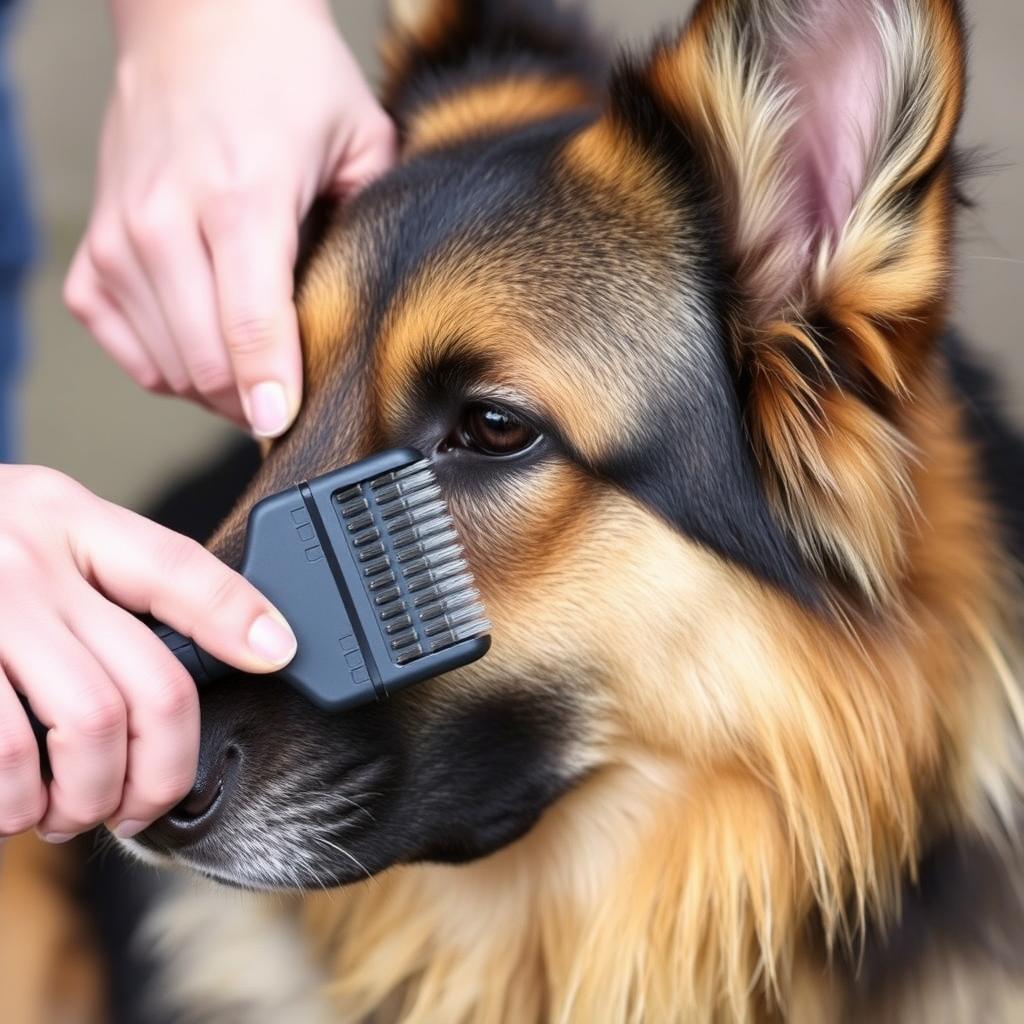
Begin by gently brushing the coat with a pin brush or slicker brush to remove surface dirt and minor tangles. Next, use an undercoat rake or deshedding tool, moving in the direction the hair grows. Be gentle, particularly over bony areas. Always finish with a comb to ensure there are no hidden mats. Pay close attention to their tail, hindquarters, neck ruff, and legs, as these areas are more prone to matting. If you encounter a tangle, try to work it out gently with your fingers or a detangling spray before considering cutting, as cutting can damage the coat. For significant matting, seek advice from a professional groomer.
Bathing Your German Shepherd
Unlike some breeds, German Shepherds do not require frequent baths. Their double coat has natural properties that help keep it clean, thanks to the oily guard hairs. Bathing too often can strip away essential natural oils, leading to dry, flaky skin and a dull coat. This can also impact their behavior by causing discomfort.
When to Bathe
A good approach is to bathe your German Shepherd only when they are visibly dirty or begin to smell. This could range from once a month to once every three months, depending on their activities. If your dog has any skin conditions, always check with your veterinarian for advice on bathing frequency and whether special shampoos are needed.
The Bathing Process
- Preparation: Thoroughly brush your dog before the bath to remove loose hair and any tangles. This makes the bath more effective and prevents mats from tightening when wet.
- Water temperature: Use lukewarm water. Water that is too hot can burn their skin, and water that is too cold can be uncomfortable.
- Shampoo: Use a good quality dog shampoo. A moisturizing or oatmeal-based shampoo is often a good choice. Lather well, working from the neck down to the tail, and be careful to avoid their eyes and ears.
- Rinse: Rinse very thoroughly! This is crucial. Shampoo left on the skin can cause irritation and make the coat look dull.
- Condition (optional but recommended): A dog-specific conditioner can help restore moisture to the coat and make brushing easier afterward. Rinse it out completely.
- Drying: Gently towel dry your dog. You can use a dog-specific blow dryer on a low, cool setting, keeping it a safe distance away to avoid overheating or startling your pet. Pay attention to how your dog reacts to the dryer's noise and air.
- Post-bath brushing: Once your dog is mostly dry or completely dry, give them another good brushing session to work through any remaining tangles and ensure the undercoat is properly fluffed.
Managing Shedding and Coat Health
Shedding is a natural process, but its intensity can be managed. In addition to regular brushing, consider these tips:
- Diet and hydration: A balanced diet rich in omega-3 and omega-6 fatty acids is vital for healthy skin and coat. Ensure your dog always has access to fresh, clean water. Poor nutrition can lead to a dull coat and increased shedding. This is connected to their overall health, so good nutrition is a key part of preventative dog health care.
- Parasite control: Fleas, ticks, and other parasites can cause skin irritation, leading to excessive scratching and potential damage to the coat. Regular preventative treatments are important.
- Skin health: Watch for signs of skin problems like redness, dryness, itching, or hair loss. These can sometimes be behavioral signals that something is not right. If you notice ongoing issues, consult your veterinarian.
Introducing New Grooming Tools and Routines
For puppies or dogs that are new to extensive grooming, introduce tools and routines gradually. Start with short sessions, combining them with positive reinforcement such as treats and praise. This helps create positive associations and prevents grooming from becoming a source of anxiety or fear. A stressed dog might exhibit behaviors like avoidance, reluctance to be touched, or even defensive reactions. Making grooming a calm, positive experience benefits their long-term behavior and your ability to care for them.
When to Seek Professional Grooming Help
While most German Shepherd grooming can be managed at home, there are situations where professional help is beneficial:
- Heavy shedding episodes: Professional groomers have specialized equipment, like high-velocity dryers, that can significantly speed up the deshedding process.
- Matting: If your dog develops severe mats that you cannot safely remove yourself at home.
- Behavioral issues: If your dog is very anxious or fearful about grooming, a professional groomer experienced with such cases can provide a calmer environment and help your dog become more comfortable.
- Skin conditions: Certain skin conditions may require specific treatments or medicated shampoos that are best applied by a professional.
Conclusion
Caring for a German Shepherd's coat is an ongoing responsibility, but it significantly contributes to your dog's health, comfort, and happiness. By understanding their double coat, using the right tools, and maintaining a regular grooming schedule, you'll not only keep your GSD looking their best but also positively impact their overall well-being. Remember, a well-cared-for dog often exhibits better behavior and contentment. If you're seeking more information on training and behavior, explore our resources on dog training and general pet ownership for thorough guidance.
Frequently Asked Questions
How often should I brush my German Shepherd?
For a German Shepherd, consistent brushing is vital. Aim for at least 2-3 times a week, increasing to daily during shedding seasons (typically spring and fall) to manage the dense double coat effectively.
What type of brush is best for a German Shepherd's coat?
A slicker brush is excellent for removing loose undercoat, while a pin brush can help detangle. A good quality comb is also useful for checking for mats, especially around the hindquarters and neck. Look for tools designed for double-coated breeds.
How do I handle excessive shedding with my German Shepherd?
Excessive shedding is normal for German Shepherds, especially seasonally. Regular, thorough brushing is the most effective method. You can also consider professional grooming or using a deshedding tool under careful supervision. Ensuring a balanced diet and good hydration also supports coat health.
Should I bathe my German Shepherd often?
German Shepherds don't need frequent baths; usually, every 1-3 months is sufficient, or when they are visibly dirty or smelly. Over-bathing can strip natural oils from their coat, leading to dryness. Focus on brushing to keep their coat clean and healthy between baths.