
When you're thinking about bringing a new cat into your home, knowing what to expect regarding their size and weight is an important part of being a responsible pet owner. The Tonkinese cat, a delightful mix of Siamese and Burmese cats, is known for being friendly, smart, and having a distinctive appearance. But how big do they get? As a pet behaviorist, I frequently observe how a cat's physical size can affect their need for space, playtime, and even the amount of food they require. Let's look at what you can anticipate for Tonkinese cat size and weight, focusing on how they grow, what's considered a healthy range, and how their size impacts their everyday life.
Tonkinese cats are considered a medium-sized breed. They're often described as having a well-muscled, athletic build under their smooth coats. They fall somewhere between the more slender Siamese and the sturdier Burmese, inheriting the best characteristics from both. This means they aren't typically a tiny cat, nor are they a very large breed. Their graceful look comes from their balanced proportions and active nature.
Understanding Tonkinese cat growth
Like all kittens, Tonkinese kittens start out small and grow quickly. Their development follows a general pattern, but each cat is an individual and will develop at their own pace. Understanding these stages helps you appreciate their progress toward adulthood and notice any potential concerns early on.
Kittenhood (0-6 months): This is a time of rapid growth. Kittens will gain weight and size quickly, often doubling their birth weight in the first week or two. By about 6 months, they will have reached a good portion of their adult height and length, though they will still be filling out their frame and building muscle.
Adolescence (6-12 months): During this period, Tonkinese cats continue to grow but more slowly. They become more coordinated and develop their adult musculature. While they might look like smaller versions of adult cats, they are still physically maturing.
Young adulthood (12-18 months): Most Tonkinese cats reach their full adult size and weight around their first birthday. However, it's common for them to continue to 'fill out' and develop more muscle tone until they are about 18 months to two years old. This is when their athletic build really becomes apparent.
Typical Tonkinese cat size and weight
It's important to remember that breed standards offer averages, and individual differences are normal. For Tonkinese cats, you can generally expect:
| Metric | Average range |
|---|---|
| Weight | 6 to 12 pounds (approx. 2.7 to 5.4 kg) |
| Height (at shoulder) | 8 to 10 inches (approx. 20 to 25 cm) |
| Length (nose to tail base) | 12 to 16 inches (approx. 30 to 40 cm) |
As you can see, the Tonkinese is a compact, well-proportioned cat. Males are often slightly larger and heavier than females. A healthy adult Tonkinese will appear muscular and agile, not too thin or too heavy. Their body should feel firm and solid to the touch, reflecting their active lifestyle.
Factors influencing size and weight
Several elements contribute to an individual Tonkinese cat's final size and weight:
- Genetics: This is the most significant factor. A Tonkinese's specific lineage can influence whether they are on the smaller or larger end of the breed's average range.
- Nutrition: Proper nutrition as a kitten is essential for healthy growth. A balanced diet suited to their age and activity level supports strong bone and muscle development. For adult cats, maintaining an appropriate diet prevents obesity, which can lead to various health problems and affect their temperament. Good nutrition is fundamental to overall cat health care.
- Activity level: Tonkinese cats are known for being energetic and playful. A cat that engages in lots of active play, climbing, and exploration will likely maintain a leaner, more muscular build compared to a less active cat.
- Spay/neuter status: While not the main factor determining size, hormonal changes from spaying or neutering can sometimes slightly alter metabolism, making weight management important.
Behavioral indicators of a healthy weight
From a behaviorist's viewpoint, a cat's weight often relates to their energy, confidence, and overall well-being. Paying attention to behavioral cues can help you determine if your Tonkinese is at a healthy weight.
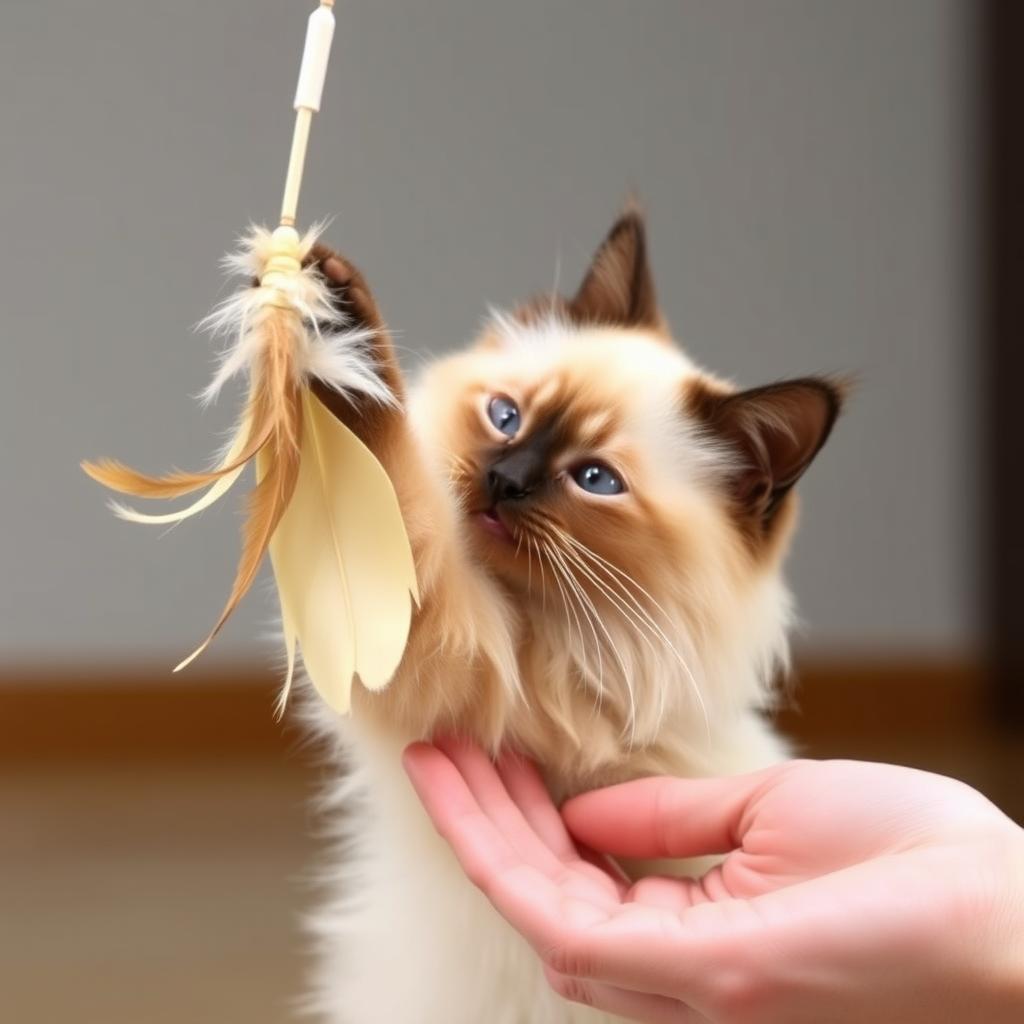
Signs of a healthy weight:
- An active and playful attitude
- Movement that is easy and fluid, including jumping and running
- A good appetite with consistent eating habits
- Grooming themselves effectively
- Engaging with toys and their surroundings
Potential signs of being underweight:
- Visible ribs, spine, or hip bones
- Lethargy or a notable decrease in activity
- Hiding more than usual
- Less vocalization
- Difficulty maintaining a healthy coat
Potential signs of being overweight:
- Difficulty grooming, particularly the hindquarters
- Unwillingness or inability to jump to favorite high places
- Increased lethargy or sleeping more than usual
- Changes in litter box habits, such as difficulty posturing due to abdominal size
- Reduced stamina during play
- Increased vocalization due to discomfort or frustration
If you consistently notice any of these signs, it’s always best to consult your veterinarian. They can assess your cat's body condition and offer specific advice on diet and exercise. Managing your cat's weight is a key part of their preventative health.
Ensuring a healthy Tonkinese cat
Keeping your Tonkinese cat at a healthy weight requires a comprehensive approach focusing on diet, exercise, and environmental enrichment. This is where understanding cat behavior is particularly useful, as meeting their need for stimulation can directly impact their physical health.
Dietary management:
- Feed a high-quality diet formulated for adult cats.
- Follow the feeding guidelines on the food packaging, adjusting based on your cat's activity level and your veterinarian's recommendations.
- Avoid leaving dry kibble out all day, which can lead to eating too much. Scheduled meals are often more effective for weight control.
- Limit treats to no more than 10% of their daily calorie intake.
Exercise and play:
- Tonkinese cats are intelligent and energetic. Provide at least two 15-minute interactive play sessions daily.
- Use toys that mimic prey, such as feather wands, laser pointers (used cautiously and always followed by a tangible reward), or small toys they can chase and 'catch'.
- Incorporate opportunities for climbing with cat trees or shelves.
- Puzzle feeders can offer mental stimulation and slow down eating.
Environmental enrichment:
- Ensure a stimulating environment with chances for exploration, scratching, and resting.
- Multi-level cat trees and window perches offer good vantage points and opportunities for exercise.
- Rotating toys helps keep playtime interesting and engaging.
By understanding the typical size and weight of a Tonkinese cat and actively managing their diet and exercise, you can help ensure your feline friend lives a long, healthy, and happy life. Their active, social nature means they thrive when their physical and mental needs are consistently met. For more information on various feline companions, you might find our overview of different cat breeds helpful.
Frequently Asked Questions
What is the average adult weight of a Tonkinese cat?
Adult Tonkinese cats typically weigh between 6 to 12 pounds (approximately 2.7 to 5.4 kg). Males are often slightly larger and heavier than females. This range is indicative of a healthy, athletic build rather than being overweight or underweight.
How large do Tonkinese cats get?
Tonkinese cats are considered a medium-sized breed. They are not as tiny as some breeds, nor are they as large as Maine Coons. They have a muscular, lithe body that gives them an appearance of being larger than their actual weight might suggest.
When do Tonkinese cats stop growing?
Most Tonkinese cats reach their full adult size and weight between 12 to 18 months of age. However, some may continue to fill out slightly until they are around two years old.
Are there behavioral signs of a Tonkinese cat being underweight or overweight?
Yes. An underweight Tonkinese might appear overly bony, have a lack of energy, or become more withdrawn. An overweight cat might show reduced activity levels, difficulty grooming themselves, reluctance to jump, and potential changes in vocalization or litter box habits. If you notice significant changes, it's always best to consult your veterinarian.