
The Singapura, affectionately known as the "little brown cat" or the "Maltese cat," is a charming breed celebrated for its playful nature, affectionate demeanor, and distinctive appearance with large ears and wide eyes. While these cats are generally healthy, understanding potential health concerns and focusing on preventative care can greatly enhance their lifelong happiness and well-being. As a behaviorist, I always highlight that a cat's health is closely connected to their surroundings, diet, and daily habits. Let's look at how to help your Singapura thrive from a care and behavioral standpoint.
Understanding the Singapura's Predispositions
While no breed is completely free from health issues, Singapuras, like all purebred cats, can be more prone to certain conditions. It's important to be aware rather than worried. Knowing these can help you and your veterinarian monitor your cat effectively. Remember, your veterinarian is the primary professional for diagnosing and treating any medical issues. My role is to help you recognize behavioral clues that might suggest a problem and to implement daily care strategies that promote wellness.
Common Behavioral Indicators of Illness or Discomfort
Cats are experts at hiding discomfort, a trait inherited from their wild ancestors who needed to conceal vulnerability. However, subtle changes in behavior can signal that something is wrong. For your Singapura, watch for:
- Changes in activity levels: A sudden decrease in playfulness or a noticeable increase in sleeping might indicate illness, pain, or even sadness. Singapuras are naturally curious and energetic; a lethargic cat is a concern.
- Hiding behavior: While cats do seek solitude, excessive hiding, especially from familiar people or in unusual places, can be a sign of stress or illness.
- Appetite and thirst fluctuations: Significant changes in how much your Singapura eats or drinks, whether it's eating much less or much more, or drinking excessively, should be noted.
- Litter box irregularities: Straining to urinate or defecate, frequenting the litter box without producing much, or urinating/defecating outside the box can point to urinary tract issues, digestive problems, or pain.
- Vocalization changes: Uncharacteristic meowing, yowling, or unusual vocalizations can be a sign of pain, distress, or cognitive decline, particularly in older cats.
- Grooming habits: A sudden lack of grooming can lead to a dull coat and matting, while over-grooming certain areas might signal skin irritation, pain, or stress.
- Mobility issues: Reluctance to jump onto furniture, stiffness when moving, or difficulty navigating stairs are signs that could indicate joint pain or arthritis, especially as they age.
These behavioral shifts are your cat's way of communicating that their normal state has been disrupted. Prompt observation and consultation with your vet are crucial.
Genetic and Breed-Specific Concerns
While detailed veterinary discussions are best left to professionals, owners should be aware of general areas where some Singapuras might be more susceptible. These can include:
- Dental issues: Gum disease is common in all cats, but some breeds may have slight predispositions. Regular dental care is vital.
- Heart conditions: Certain heart conditions can affect various breeds. Early detection through veterinary check-ups is important.
- Kidney issues: As cats age, kidney function can decline. Maintaining hydration and a suitable diet can support kidney health.
It is essential to consult with your veterinarian for specific concerns related to your cat's health. They can perform the necessary diagnostics and provide tailored medical advice. Understanding your Singapura's breed background, alongside regular vet visits, allows for proactive health management.
Promoting a Healthy Lifestyle for Your Singapura
A significant part of preventing health issues lies in the daily care you provide. As a behaviorist, I see firsthand how lifestyle impacts a cat's physical and mental well-being. For the active and intelligent Singapura, a well-rounded approach is best.
Nutrition: The Foundation of Health
Providing the right food in the right amounts is fundamental. Singapuras are typically medium-sized cats, and their dietary needs will change as they grow from kittenhood to adulthood and into their senior years. Key considerations include:
- Quality ingredients: Opt for high-quality commercial cat foods that are rich in animal protein. Look for formulas that meet AAFCO standards.
- Portion control: Singapuras can be prone to weight gain if overfed. Follow feeding guidelines on the packaging and adjust based on your cat's activity level and body condition. Your vet can help you determine ideal portion sizes.
- Hydration: Ensure fresh, clean water is always available. Some cats prefer drinking from fountains, which can encourage higher water intake. Adequate hydration is crucial for kidney and urinary tract health.
Obesity in cats can lead to a host of secondary problems, including diabetes and arthritis. Maintaining a lean body weight through proper diet and exercise is one of the most effective preventative health measures you can take. This is a cornerstone of good cat health care.
Exercise and Mental Stimulation: Keeping Body and Mind Active
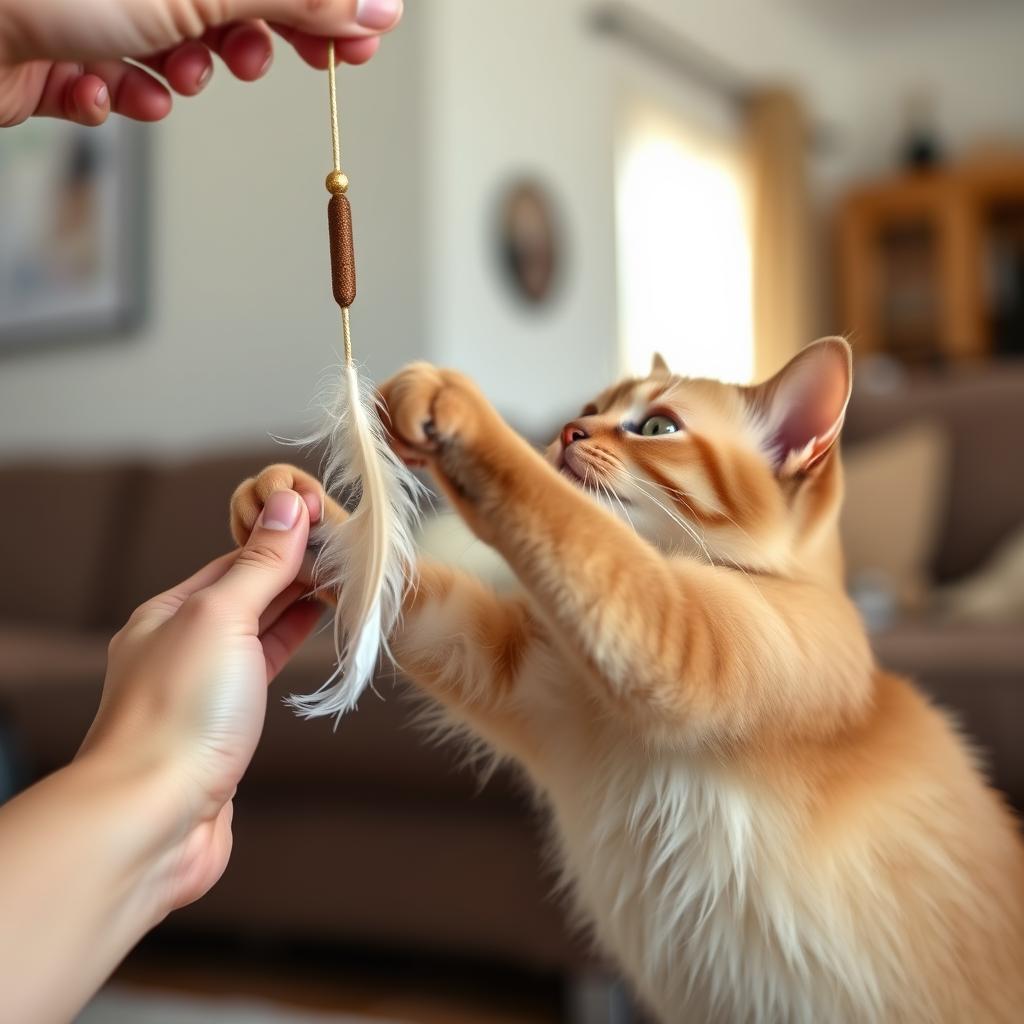
Singapuras are known for their playful and energetic nature. Boredom can lead to stress, destructive behaviors, and even physical health problems like obesity. Daily play sessions are important.
- Interactive toys: Wand toys, feather teasers, and laser pointers (used responsibly, always ending with a tangible reward) can satisfy their hunting instincts. Aim for at least two 10-15 minute play sessions per day.
- Puzzle feeders: These encourage your cat to work for their food, providing mental stimulation and slowing down eating.
- Vertical space: Cats love to climb and observe from high places. Cat trees, shelves, and window perches offer enrichment and exercise opportunities.
- Environmental enrichment: Rotate toys, change hiding spots, and introduce new, safe objects to explore to keep their environment stimulating.
Engaging your Singapura in play not only burns calories but also strengthens your bond and helps prevent behavioral issues that stem from boredom or frustration. Exploring different cat behavior patterns can help you tailor activities they will enjoy most.
Grooming and Dental Care
While Singapuras have short, fine coats that require minimal grooming, establishing a routine is still beneficial:
- Brushing: Occasional gentle brushing can help reduce shedding and keep their coat looking its best. It also provides an opportunity to check for any skin issues or parasites.
- Nail trimming: Regular nail trims prevent overgrowth, which can cause discomfort and ingrown nails.
- Dental hygiene: This is perhaps the most crucial aspect of at-home care. Brushing your cat's teeth daily with a pet-specific toothpaste is ideal. If this is not possible, dental treats or water additives can offer some benefit, but brushing is most effective. Introduce dental care early in their life to make it a positive experience.
Regular grooming sessions also serve as valuable bonding time and allow you to get a close look at your cat's overall physical condition.
Creating a Supportive Environment
Your home environment plays a significant role in your Singapura's health and happiness, particularly concerning their behavior and stress levels.
Litter Box Management
Proper litter box setup is critical for feline well-being. Singapuras, like most cats, are particular about their toileting habits:
- Cleanliness: Scoop the litter box at least once daily, and completely change and clean the box weekly.
- Number of boxes: The general rule is one litter box per cat, plus one extra. For a single Singapura, two boxes are recommended.
- Location: Place boxes in quiet, low-traffic areas where your cat feels safe and has an escape route. Avoid placing them near food and water bowls or noisy appliances.
- Type of litter: Most cats prefer unscented, clumping litter. Experiment to see what your Singapura prefers.
Litter box issues are often a primary reason for behavioral problems and can indicate underlying medical conditions. Addressing these promptly is important.
Comfort and Safety
Ensure your home is a safe and comfortable space for your Singapura. This includes providing:
- Safe resting spots: Comfortable beds in quiet locations, and access to high perches.
- Scratching posts: Offer a variety of scratching surfaces to satisfy their natural urge and protect your furniture.
- Reduced stressors: Minimize loud noises, sudden changes, and conflict if you have multiple pets.
Creating a predictable and safe environment helps reduce stress, which can have a significant positive impact on your cat's overall health and behavior.
Behavioral Considerations as Your Singapura Ages
As your Singapura enters their senior years, typically around age 10 and beyond, you might observe changes in their behavior that are related to aging. These are not necessarily signs of illness but rather natural progression:
- Decreased activity: They may sleep more and play less, which is normal, but still monitor for sudden drops in energy.
- Changes in routine: They might prefer warmer spots or need easier access to food and water.
- Cognitive changes: Some senior cats can experience cognitive dysfunction, similar to dementia in humans. Signs include disorientation, changes in sleep-wake cycles, and house-soiling.
If you notice significant behavioral changes, it's always best to consult your veterinarian to rule out underlying medical conditions and discuss strategies for making your senior Singapura comfortable. Supporting their needs as they age is a crucial part of responsible pet ownership. For owners considering any feline companion, understanding the nuances of each breed, including their potential health traits, is a vital step in responsible pet ownership.
By staying informed, providing attentive daily care, and partnering closely with your veterinarian, you can ensure your charming Singapura enjoys a long, healthy, and happy life filled with the playful spirit they are known for.
Frequently Asked Questions
Are Singapura cats generally healthy?
Singapuras are generally considered a healthy breed with a good lifespan. Like all breeds, they can be prone to certain genetic predispositions or common feline ailments. Responsible breeding and attentive care from owners are key to their well-being.
What are common behavioral signs of illness in Singapura cats?
Behavioral changes can signal health issues. Watch for decreased activity, hiding more than usual, changes in appetite or thirst, altered litter box habits, increased vocalization, or a reluctance to jump or play. Any sudden change warrants a vet visit.
How can I best support my Singapura cat's long-term health?
Focus on providing a high-quality diet, regular exercise through play, good dental hygiene, a clean environment with easily accessible resources (like litter boxes and water bowls), and routine veterinary check-ups. Environmental enrichment also plays a big role in their mental and physical health.
Are there specific dietary needs for Singapura cats?
Singapuras benefit from a balanced, high-quality diet appropriate for their life stage. Consult your veterinarian about the best food options and portion control to maintain a healthy weight, as obesity can contribute to other health problems. This is part of good <a href="https://breedexplorer.com/cat-health-care">cat health care</a>.