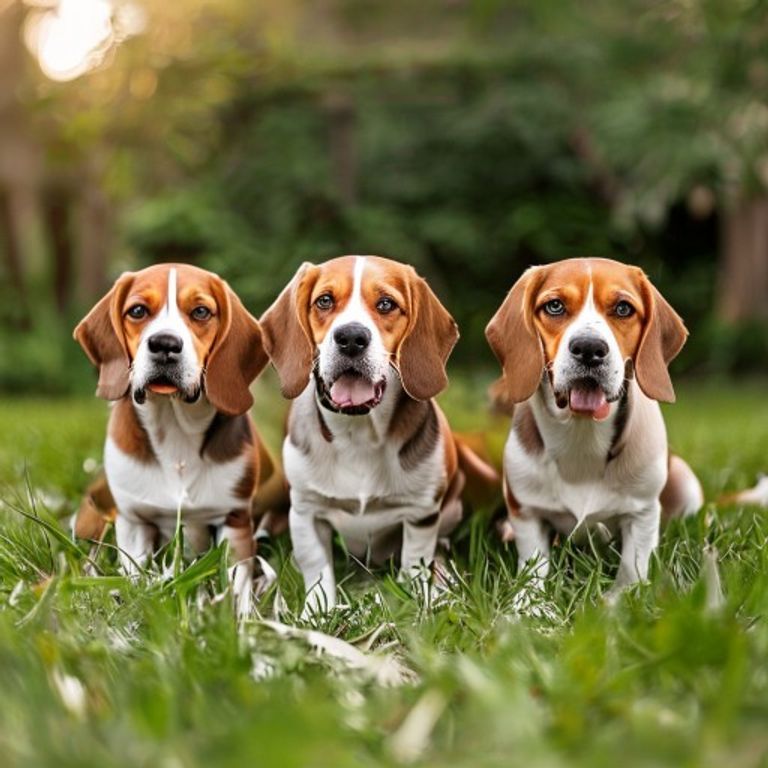
The Beagle. Just the name brings to mind happy hounds with expressive eyes and their characteristic, joyful bark. These sturdy scent hounds have charmed people for ages, and it's easy to understand why. If you're thinking about welcoming a Beagle into your life, getting to know their specific personality is the first step toward a good relationship. As a pet behaviorist, I can tell you that while Beagles offer immense rewards, their natural instincts as scent hounds mean they have particular requirements and expectations.
Understanding the Beagle's personality
At their core, Beagles were developed for hunting, specifically for following game by scent. This single trait influences nearly every aspect of their character and actions. They are inquisitive, guided by their noses, and possess an independent streak that can make them both lovable and a handful.
Curiosity and scent focus: Your Beagle's nose is their primary way of experiencing the world. They will follow a scent trail with relentless focus, often to the exclusion of everything else. This means they can get easily sidetracked outdoors and are prone to straying if they pick up an interesting smell. Secure fences and leashed walks are not optional, they are essential for anyone with a Beagle. This strong scent drive is why they excel in scent detection work and can be trained for various detection tasks.
Sociability and affection: Beagles are pack animals by nature and usually very friendly. They enjoy company, whether it's their human family or other dogs. They often do well in homes with multiple pets and can be wonderful playmates for children. Their affectionate nature means they like being involved in family activities and can form deep bonds with their people. Being alone too much can lead to behavioral problems, so ensuring they have company is important.
Energy levels and playfulness: Do not underestimate their size; Beagles have plenty of energy. They were bred to cover ground for hours following scents. They need regular, consistent physical activity to remain healthy and mentally stimulated. Daily walks, games of fetch (if they return it!), and opportunities to explore in a safe area are vital. Without enough activity, they can become restless and might develop destructive habits.
Vocalization: Beagles are known for their distinctive sounds. This includes barking, howling, and their signature baying. They tend to make more noise than some other breeds, especially when they detect an interesting scent, are excited, or feel lonely. While you cannot eliminate it completely, consistent training and ensuring their needs are met can help manage excessive noise.
Intelligence and training: Beagles are smart, but their intelligence often centers on their main interest: scent. This, combined with their independent nature, can make training an interesting challenge. They do not typically aim to please in the same way some other breeds do. Positive reinforcement, patience, and a good understanding of their motivations are key to successful training. Looking into resources on dog training can be very helpful.
Behavioral traits to expect:
- Your Beagle will likely be constantly exploring scents, whether you are out for a walk or in your own backyard.
- When a scent captures their attention, it can be hard to redirect them, requiring patience and engaging training methods.
- They generally keep a playful attitude well into adulthood, enjoying games and interaction.
- Beagles form strong bonds with their families and are typically very devoted companions.
- They have a hearty appetite and are highly motivated by food, which can be a significant advantage during training.
Daily care and training for a happy Beagle
Understanding your Beagle's personality is the foundation, but consistent care and training are what will help them develop into a well-adjusted companion. This is where focusing on their natural instincts becomes an advantage.
Exercise needs met
A daily routine of physical activity is essential for a Beagle. This usually involves at least two walks each day, each lasting 30-60 minutes. Ideally, these walks should be in different places to expose them to new smells and environments. Always use a secure leash and collar or harness, as their urge to follow a scent can make recall commands ineffective. A securely fenced yard is also necessary for safe outdoor play. Consider puzzle feeders and scent games to provide mental stimulation, which is just as important as physical exercise for a scent hound. If you are looking for ways to enrich your dog's life, exploring dog guides can offer many ideas.
Feeding your Beagle
Beagles are known for their hearty appetites and can easily gain weight if their food intake is not carefully managed. This is not just about appearance; excess weight puts significant stress on their joints and can lead to serious health problems. Talk to your veterinarian for the correct amount of high-quality dog food based on your dog's age, activity level, and metabolism. Free-feeding is generally not recommended. Portion control and scheduled mealtimes, perhaps using a slow feeder bowl or a puzzle toy, are best. Regularly monitoring their weight and body condition is a key part of preventative care.
Grooming essentials
Beagles have a short, dense double coat that sheds moderately throughout the year. Regular brushing, ideally a few times a week, will help manage shedding and keep their coat healthy. Use a slicker brush or a grooming mitt. Pay special attention to their ears; their long, floppy ears are prone to trapping moisture and dirt, which can lead to infections. Clean their ears regularly with a veterinarian-approved solution. Nail trims, dental hygiene, and occasional baths as needed complete their grooming routine.

Training: Harnessing the Beagle's drive
Training a Beagle requires patience, consistency, and a deep understanding of their scent-driven nature. They are intelligent but can be easily distracted by smells. Keep training sessions short, engaging, and enjoyable. Use high-value treats and praise as rewards. Early socialization is important; introducing your Beagle puppy to various people, places, sounds, and other animals from a young age will help them grow into a confident and well-behaved adult. Basic obedience commands like 'sit,' 'stay,' and 'come' are important, but recall can be particularly challenging because of their scent drive. Focus on building a strong bond and making training a positive experience for both of you.
Socialization and environmental enrichment
A well-socialized Beagle is a happier Beagle. Ensure your dog has opportunities to interact positively with other dogs and people. Provide them with a variety of chew toys and puzzle toys to keep their minds active and prevent boredom. If your Beagle spends a lot of time alone, consider crate training as a safe space or arranging for a dog walker or doggy daycare. Mental stimulation is as vital as physical exercise for this intelligent breed.
Potential behavioral challenges and solutions
While Beagles are wonderful dogs, their strong instincts can sometimes lead to behavioral challenges if not managed properly. Understanding these potential issues is key to proactively addressing them.
The wandering Beagle
Because of their powerful scent drive, Beagles are known for wandering. If they catch an appealing scent, they will follow it, often ignoring commands. This makes a secure, fenced yard absolutely necessary. If you live in an area where fencing is not an option, consider a long lead for supervised outdoor time. Never let a Beagle off-leash in an unsecured area.
Destructive chewing
Boredom, lack of exercise, or separation anxiety can lead to destructive chewing. Ensure your Beagle gets enough physical and mental stimulation. Provide appropriate chew toys and redirect their chewing behavior to these acceptable items. If chewing is excessive, especially when left alone, it might indicate separation anxiety, which requires a specific training approach. Sometimes, environmental changes such as providing a safe den-like crate can help them feel more secure.
Stubbornness during training
As mentioned, Beagles can be strong-willed. When they are focused on a scent, it's hard to get their attention. Training needs to be incredibly rewarding and consistently applied. Short, frequent training sessions are more effective than long, drawn-out ones. If you are struggling with training, do not hesitate to seek guidance from a professional trainer or behaviorist. Understanding the nuances of pet ownership for specific breeds is important.
Separation anxiety
Beagles are pack animals and often do not do well when left alone for extended periods. Signs of separation anxiety can include excessive barking, destructive behavior, and inappropriate elimination. Gradual desensitization to your departures, providing engaging toys, and ensuring they have a comfortable space can help. For severe cases, veterinary consultation or a certified animal behaviorist may be necessary.
Beagles and health considerations
While this article focuses on personality and behavior, a brief mention of health is important for responsible pet ownership. Beagles are generally a healthy breed, but like all purebred dogs, they can be prone to certain genetic conditions. Common issues include hip dysplasia, epilepsy, hypothyroidism, and certain eye conditions. Ear infections are also frequent due to their ear structure. Regular veterinary check-ups are crucial for early detection and management of any health concerns. Keeping your Beagle at a healthy weight through proper diet and exercise is one of the best ways to prevent many common ailments and ensure a longer, happier life.
Behavioral changes can sometimes be an indicator of underlying health issues. For instance, a sudden increase in lethargy, hiding, reluctance to play, or changes in appetite could signal that your dog is not feeling well. Always observe your dog for subtle shifts in their behavior and consult your veterinarian if you have any concerns about their physical health. They are your best resource for all medical guidance.
Conclusion: A Beagle's place in your home
The Beagle personality is a unique combination of happy curiosity, unwavering loyalty, and independent spirit, all driven by that incredible nose. They are fantastic companions for active families and individuals who understand and can meet their specific needs for exercise, mental stimulation, and consistent, positive training. With the right environment, guidance, and a lot of love, your Beagle will undoubtedly become a cherished member of your family, bringing joy and laughter to your home for years to come.
Frequently Asked Questions
Are Beagles good family dogs?
Yes, Beagles are generally excellent family dogs. Their friendly, outgoing, and playful nature makes them wonderful companions for children and other pets when properly socialized. They thrive on companionship and are known for being gentle and affectionate.
How much exercise does a Beagle need?
Beagles are energetic dogs that require a good amount of daily exercise. Aim for at least 30-60 minutes of activity per day, which can include brisk walks, playtime in a securely fenced yard, or interactive games. Their scent hound nature means they love to explore, so leashed walks are essential for safety.
Are Beagles easy to train?
Beagles can be a bit stubborn during training due to their independent nature and strong scent drive. They respond best to positive reinforcement methods, such as treats, praise, and play. Consistency and patience are key. Early socialization and obedience training are highly recommended, and you can find great resources in <a href="https://breedexplorer.com/dog-training">dog training</a> guides.
What are common Beagle health concerns?
Like all breeds, Beagles can be prone to certain health issues. Common concerns include ear infections due to their floppy ears, hip dysplasia, epilepsy, and hypothyroidism. Responsible breeding practices and regular veterinary check-ups are important. For specific medical advice, always consult a licensed veterinarian. Proper diet and exercise also contribute to their overall well-being.