
Welcoming a new pet into your home is a joyous occasion, and for many, that means adding both furry feline and canine family members. The old notion that cats and dogs can't get along is largely a myth, especially when we consider the vast differences in how breeds can behave. As a behaviorist, I often witness wonderful friendships blossom between these species. The key lies in understanding individual personalities, introducing them carefully, and selecting cat breeds known for their adaptable and sociable natures. If you're curious about which feline friends might make good companions for dogs, you've come to the right place. Let's explore some cat breeds that tend to get along well with dogs.
Understanding cat and dog dynamics
The success of a home with multiple pets hinges on respecting each animal's natural instincts and providing a secure environment. Dogs, being pack animals, often seek social interaction and can be quite persistent. Cats, on the other hand, are generally more independent and territorial. They value their personal space and prefer to approach social situations on their own terms. A dog's high energy and play style can sometimes overwhelm a cat, leading to stress, fear, or defensive behavior. Similarly, a cat's sudden movements or hunting instinct can trigger a dog's prey drive, a situation that needs careful management.
Effective coexistence requires our thoughtful management. This includes ensuring the cat has elevated spaces to retreat to, such as cat trees or shelves, providing separate eating and resting areas, and carefully orchestrating introductions. For more on understanding feline behavior, you can find helpful resources on cat behavior.
Factors influencing compatibility
Several elements play a role in how well a cat and dog will share a home:
- Some breeds are naturally more calm, tolerant, and less prone to territorial disputes than others.
- Just like people, every cat and dog has a unique personality. A shy dog might be easily intimidated by a confident cat, and an energetic cat might find a laid-back dog bothersome.
- Pets that were exposed to the other species from a young age generally adjust more easily. Early positive experiences are quite important.
- Kittens and puppies often accept each other more readily than adult animals who may have established routines and preferences.
- A rushed or improper introduction is a common reason for lasting conflict. Slow, positive, and controlled introductions are vital.
- A home that offers ample space, separate resources like food bowls, water sources, litter boxes, and beds, along with safe zones for the cat, can significantly reduce stress and tension.
Top cat breeds that often coexist well with dogs
While individual personalities are always the most important factor, certain cat breeds possess temperaments that make them more inclined to form friendships with dogs. These breeds typically exhibit less anxiety, are more curious than fearful, and enjoy companionship.
Ragdoll
Ragdolls are renowned for their gentle, calm, and affectionate nature. They often display 'puppy-like' qualities, enjoying being with their people and sometimes even learning tricks. Their relaxed disposition means they are less likely to be intimidated by a dog's presence or boisterous play. They tend to accept new companions, including dogs, quite readily. Their placid demeanor makes them a wonderful choice for homes with multiple pets.
- Breed:
- Ragdoll
- Temperament:
- Calm, affectionate, placid, sociable
- Energy Level:
- Moderate to low
- Friendliness to Dogs:
- High
- Key Considerations:
- Requires regular grooming for their semi-long coat. Can gain weight easily if not kept active.
Maine Coon
Often called the 'gentle giant' of the cat world, Maine Coons are large, friendly, and intelligent cats. They possess a playful yet easygoing nature that helps them adapt to various living situations. Unlike some smaller, more timid breeds, Maine Coons are generally not easily startled. They often view dogs as potential playmates or companions rather than as threats. Their robust build also means they are less likely to be physically intimidated by a dog.
- Breed:
- Maine Coon
- Temperament:
- Gentle, friendly, intelligent, adaptable
- Energy Level:
- Moderate
- Friendliness to Dogs:
- High
- Key Considerations:
- Requires regular grooming for their dense coat. Some individuals can be prone to certain inherited health conditions, so regular veterinary check-ups are important. Consult your veterinarian for specific cat health care advice.
Birman
Birmans are known for their peaceful and affectionate disposition. They are social cats who enjoy being part of family activities and often form strong bonds with both people and other pets. Their steady temperament means they can usually tolerate dogs, especially when introduced correctly. Birmans are not typically aggressive or prone to excessive hiding, making them good candidates for sharing a home with canines.
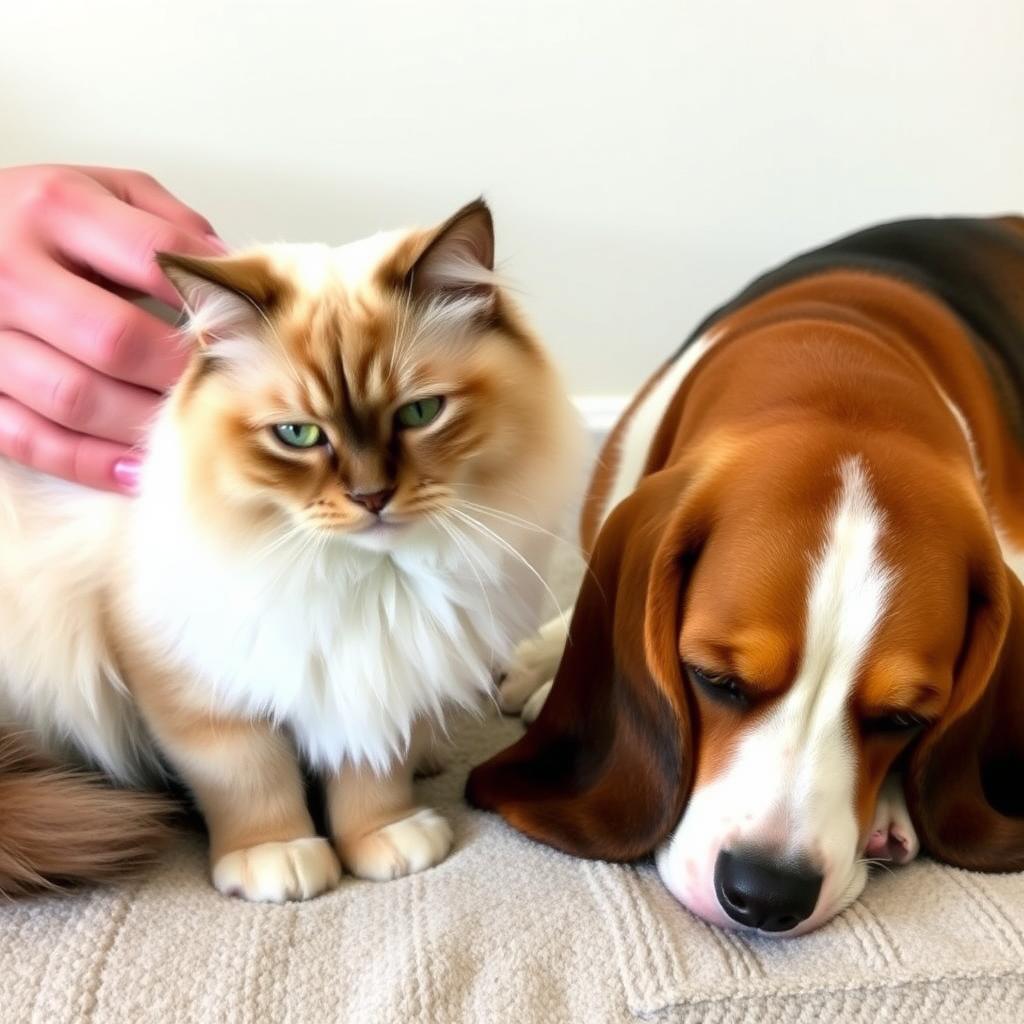
- Breed:
- Birman
- Temperament:
- Peaceful, affectionate, social, gentle
- Energy Level:
- Low to moderate
- Friendliness to Dogs:
- Moderate to High
- Key Considerations:
- Their semi-longhaired coat needs weekly brushing. Can be sensitive to loud noises or chaotic environments.
American Shorthair
The American Shorthair is a classic, adaptable breed recognized for its good nature and sturdy build. They are generally easygoing and possess a balanced temperament, allowing them to adjust well to life with dogs. While not as overtly cuddly as some breeds, they are sociable and curious enough to interact positively with canine housemates, provided they have their own space and feel secure. Their adaptability makes them a reliable choice for many households.
- Breed:
- American Shorthair
- Temperament:
- Easygoing, adaptable, good-natured, sturdy
- Energy Level:
- Moderate
- Friendliness to Dogs:
- Moderate to High
- Key Considerations:
- Low grooming needs. Can be prone to obesity if diet and exercise are not managed.
Siberian
Despite their large size and impressive appearance, Siberian cats are known for being playful, gentle, and social. They are often described as having 'dog-like' affection and a desire to participate in family activities. Siberians are typically very adaptable and can form bonds with dogs, particularly if introduced from a young age. Their robust nature means they can handle a bit more spirited play than some more delicate breeds.
- Breed:
- Siberian
- Temperament:
- Playful, gentle, social, adaptable, affectionate
- Energy Level:
- Moderate to high
- Friendliness to Dogs:
- High
- Key Considerations:
- Requires regular grooming for their triple-layered coat. Can be very active and may benefit from interactive toys and dedicated playtime.
Abyssinian
Abyssinians are celebrated for their intelligence, curiosity, and playful energy. While they are active cats, they are also very social and enjoy interaction. They can form strong bonds with their families, including dogs, if introduced correctly. Their intelligence allows them to learn to understand a dog's cues, and their playful nature can lead to enjoyable interactions. They are less territorial than some breeds, which can be helpful when sharing space.
- Breed:
- Abyssinian
- Temperament:
- Intelligent, curious, playful, social, active
- Energy Level:
- High
- Friendliness to Dogs:
- Moderate
- Key Considerations:
- Requires significant mental and physical stimulation. Can be vocal. Needs owners who can match their energy levels.
Introducing your cat and dog
Even with the most compatible breeds, a proper introduction is crucial for long-term harmony. Rushing this process is the most frequent mistake new multi-pet owners make. Here’s a general guide:
- Start by exchanging bedding or toys that carry each animal's scent. This allows them to become accustomed to each other's smell without direct contact.
- Use baby gates, crates, or closed doors to let them see each other from a distance. Feed them on opposite sides of the barrier so they associate the other's presence with positive experiences, like food.
- Once they seem calm and curious when observing each other, begin short, supervised sessions in the same room. Keep interactions brief and positive, rewarding calm behavior with praise and treats for both.
- Gradually increase the duration of supervised interactions as they show increasing comfort and acceptance. Always ensure the cat has an escape route.
- Make sure your cat always has access to food, water, litter boxes, and resting spots that are completely out of the dog's reach. This helps prevent competition and territorial issues.
Remember that every animal is an individual. What works for one pair might not work for another. Patience, consistency, and positive reinforcement are your most valuable tools. If you encounter difficulties, seeking guidance from a professional dog training specialist or a cat behaviorist can be very beneficial.
Creating a harmonious environment
Beyond introductions, establishing an environment that supports both animals is essential for ongoing peace:
- Cat trees, shelves, and window perches allow cats to survey their surroundings from a safe height, away from dogs.
- Designate areas where the cat can retreat and be completely undisturbed by the dog.
- Feed pets separately to avoid competition and stress. Ensure each has their own comfortable resting spot.
- Provide plenty of appropriate toys and playtime for both animals individually and, if possible, together under supervision. This helps expend energy and reduces the likelihood of destructive behaviors or redirected aggression.
When to seek professional help
While many cats and dogs learn to live together peacefully, some introductions can be challenging. If you observe persistent signs of extreme fear, aggression, or anxiety in either animal, it's time to consult a professional. This could be a veterinarian, a certified applied animal behaviorist, or a reputable trainer experienced with multiple pets in a household. They can help identify underlying issues and create a tailored plan for your specific situation.
Ultimately, the goal is a happy, healthy, and safe environment for all members of your pet family. By understanding breed tendencies, prioritizing proper introductions, and managing their environment effectively, you can significantly improve the chances of your cat and dog becoming great companions.
Frequently Asked Questions
Are there specific cat breeds that are naturally better with dogs?
Yes, certain cat breeds tend to have temperaments that lend themselves to better relationships with dogs. These breeds are often more laid-back, less territorial, and more adaptable. Breeds like the Ragdoll, Maine Coon, Birman, and American Shorthair are frequently cited for their agreeable nature, but individual personality and early socialization play a huge role for any cat.
How do I introduce a new cat to a resident dog?
Introduction is key and should be done slowly and positively. Start with scent swapping, then visual introductions through barriers (like a baby gate or crate), and finally supervised direct interaction. Always reward calm behavior from both animals. Never force an interaction, as this can create negative associations. Patience is paramount, and the process can take days, weeks, or even months.
What signs indicate a cat and dog are getting along well?
Look for relaxed body language in both animals. This includes slow blinks from the cat, relaxed ears, and a wagging tail (for dogs, though tail wags can also mean excitement, context is key). They might sleep near each other, groom each other, or play gently. For cats, a relaxed purr and rubbing against the dog are good signs. For dogs, a loose body, relaxed mouth, and gentle play bows are positive indicators.
Can any cat breed get along with a dog if properly introduced?
While some breeds are predisposed to be more easygoing, any cat can potentially get along with a dog with careful introduction, proper socialization, and ongoing management. A cat's individual personality, their past experiences, and the dog's temperament and training are critical factors. Even feisty breeds can learn to tolerate or even enjoy the company of a calm, respectful dog, and vice versa.