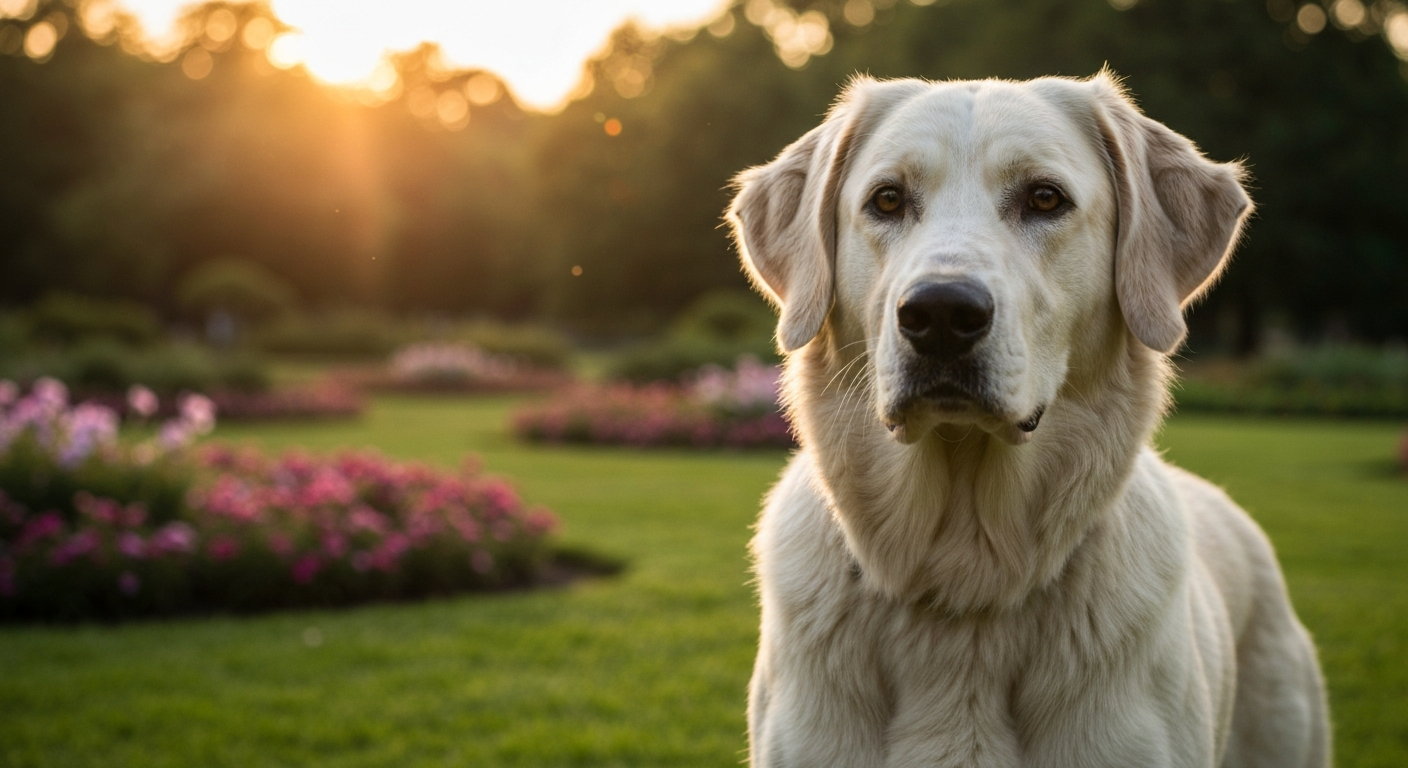
Meet the Great Dane, a breed often called the “Apollo of dogs.” One look at their majestic stature and noble bearing, and you’ll understand why. But don't let their imposing size fool you. Behind that giant exterior beats the heart of a loving and surprisingly goofy companion. If you’re considering bringing one of these large dogs into your life, you've come to the right place. This guide will walk you through everything you need to know about the magnificent Great Dane.
A brief history
Contrary to their name, Great Danes are not Danish! Their roots are firmly planted in Germany. Their ancestors were powerful mastiff-type dogs used by German nobility for hunting wild boar. Over time, these fierce hunters were refined through selective breeding, their aggression was tempered, and they transitioned from the forest to the lavish estates of the elite. They became prized for their beauty and their loyal, protective nature, evolving into the sweet-tempered family members we know and love today.
Appearance and size: more than just a big dog
There's no getting around it, the Great Dane is a giant breed. They combine power and elegance in a way few other dogs can. Their bodies are well-muscled and athletic, and they carry themselves with an air of nobility. But just how big do they get?
- Height:
- Males typically stand 30-32 inches at the shoulder; females 28-30 inches.
- Weight:
- Males weigh between 140-175 pounds; females 110-140 pounds.
- Coat:
- Short, thick, and sleek.
- Colors:
- Recognized colors include fawn (like Scooby-Doo!), brindle, blue, black, harlequin (white with irregular black patches), and mantle (black and white with a black blanket over the body).
The true heart of a Great Dane: temperament and personality
This is where the Great Dane truly shines. Their personality is a delightful contradiction to their size. They are sweet-natured, friendly, and deeply loyal to their families. Often described as “people-pleasers,” they thrive on affection and want nothing more than to be part of the family's daily activities, which usually involves them trying to be a lap dog, completely unaware of their 150-pound frame!
They are generally wonderful with children, showing patience and a gentle spirit. However, due to their sheer size, interactions with small children should always be supervised to prevent accidental knock-overs. While they are not typically aggressive, they are courageous and will be a confident, protective presence for their home and family. They have a deep, resonant bark that is often enough to deter any intruder.
Training and socialization: a giant responsibility
Training a Great Dane isn't just a good idea; it's an absolute necessity. A 150-pound dog pulling on the leash or jumping on guests is not manageable. The good news is that they are intelligent and eager to please, which makes them highly trainable. Because of their giant size, early and consistent dog training and socialization are non-negotiable.
- Start Early: Begin puppy classes and socialization as soon as your veterinarian gives the green light. Expose them to different sights, sounds, people, and other dogs in a positive way.
- Positive Reinforcement: Use treats, praise, and toys to motivate them. They respond much better to positive methods than to harsh corrections.
- Leash Manners: Teaching your Great Dane to walk politely on a leash is perhaps the most important skill you will teach them. You do not want to be on the losing end of a tug-of-war with this dog!
Health and lifespan: the beautiful and the heartbreaking
The most difficult reality of loving a Great Dane is their heartbreakingly short lifespan, which is typically 7-10 years. As a giant breed, they are predisposed to certain health conditions that prospective owners must be aware of. For specific medical concerns, always consult your veterinarian.
Common health concerns:
- Bloat (GDV): Gastric Dilatation-Volvulus is a significant health concern for Great Danes. This is a life-threatening emergency where the stomach fills with gas and twists on itself. Owners must learn the symptoms (e.g., restlessness, non-productive retching, swollen abdomen) and have an emergency plan.
- Hip Dysplasia: A malformation of the hip joint that can cause arthritis and pain.
- Cardiomyopathy: A disease of the heart muscle that affects its ability to pump blood effectively.
- Wobbler Syndrome: A neurological disease affecting the spine in the neck region.
Choosing a reputable breeder who performs health screenings on their breeding stock is the first step. After that, providing a proper diet, appropriate exercise, and partnering with a vet experienced with giant breeds are crucial elements of proactive dog health care.
Exercise and living needs
You might look at their athletic build and assume they need a massive yard and hours of exercise, but this is one of the biggest misconceptions. While they enjoy a good romp, Great Danes are actually moderate-energy dogs. A couple of brisk daily walks and some playtime are usually sufficient to keep them happy and healthy.
In fact, they are notorious couch potatoes and will happily spend most of the day snoozing. This is why they can, surprisingly, adapt well to apartment living, provided they get their daily walks and have enough indoor space to stretch their long legs. Just be prepared to give up your favorite spot on the sofa!
The cost of owning a Great Dane in 2026
Owning a Great Dane is a significant financial commitment. Everything for them is supersized, their food bills, their beds, their medical expenses, and their toys. Before bringing one home, it's essential to understand the potential costs involved. It's a key part of responsible pet ownership.
| Expense Category | Estimated Cost (USD) |
|---|---|
| Initial Puppy Cost (from a reputable breeder) | $1,500 - $3,000+ |
| Initial Supplies (Crate, Bed, Bowls, etc.) | $500 - $800 |
| Annual Food Costs | $1,000 - $1,800 |
| Annual Routine Veterinary Care | $500 - $900 |
| Emergency Vet Fund / Pet Insurance | $600 - $1,200 (annually) |
| Grooming, Toys, & Treats | $300 - $500 (annually) |
Is a Great Dane the right dog for you?
A Great Dane can bring immense joy, love, and laughter into a home. But they are not the right fit for everyone. Ask yourself these questions honestly:
- Do I have enough space? Not just a yard, but enough indoor space for a small horse to navigate without constantly knocking things over.
- Can I afford them? The financial commitment is substantial, from food to potential vet bills.
- Am I prepared for the drool? Yes, many Great Danes are prodigious droolers. Be ready with slobber rags!
- Can I handle the heartbreak? Are you emotionally prepared for a companion whose time with you will likely be under a decade?
Conclusion: a giant love
Owning a Great Dane is an experience unlike any other. They leave a giant paw print on your heart that lasts a lifetime. Their loving nature, goofy antics, and unwavering loyalty make all the challenges, the drool, the expense, the short lifespan, worthwhile. If you have the space in your home and your heart for this incredible breed, you will be rewarded with one of the most wonderful canine companions on the planet.
Frequently Asked Questions
Are Great Danes good family dogs?
Yes, Great Danes are renowned for being fantastic family dogs. They are patient, gentle, and surprisingly good with children, often called 'gentle giants'. However, their sheer size means supervision with very young children is always necessary.
How long do Great Danes typically live?
Great Danes have a unfortunately short lifespan compared to other breeds, typically living between 7 to 10 years. This is a crucial factor for potential owners to consider.
Can a Great Dane live happily in an apartment?
Surprisingly, yes. While they need space to stretch, their energy levels are relatively low. As long as they receive adequate daily walks and have a large, comfy spot to lounge, they can adapt well to apartment living.
What is the biggest health risk for Great Danes?
The most significant and acute health risk for Great Danes is Gastric Dilatation-Volvulus (GDV), commonly known as bloat. It's a life-threatening condition where the stomach twists, and all owners must be educated on its symptoms and preventative measures.