
French Bulldogs, with their distinctive bat ears and charming personalities, are incredibly popular pets. While their short coat might seem low maintenance at first glance, proper grooming is essential for your Frenchie's health, comfort, and overall appearance. As a behaviorist, I always emphasize that grooming is more than just about looks; it's a vital way to monitor your dog's physical well-being and deepen your bond. Regular grooming sessions help you spot potential health concerns early, and the shared experience can be a rewarding ritual for both of you.
Caring for your French Bulldog's coat
French Bulldogs sport a short, smooth, and dense double coat. This type of coat doesn't require much trimming or elaborate styling, but it does need consistent attention to remain healthy and free from dirt. The primary aims of French Bulldog coat care are to keep the skin clean, manage shedding, and maintain a smooth, shiny coat. This routine also serves as an excellent opportunity to check your dog for any lumps, bumps, parasites, or skin irritations that might otherwise go unnoticed. A healthy coat often reflects good overall health, and attending to these details can prevent minor issues from escalating.
Brushing: The most important part of coat care
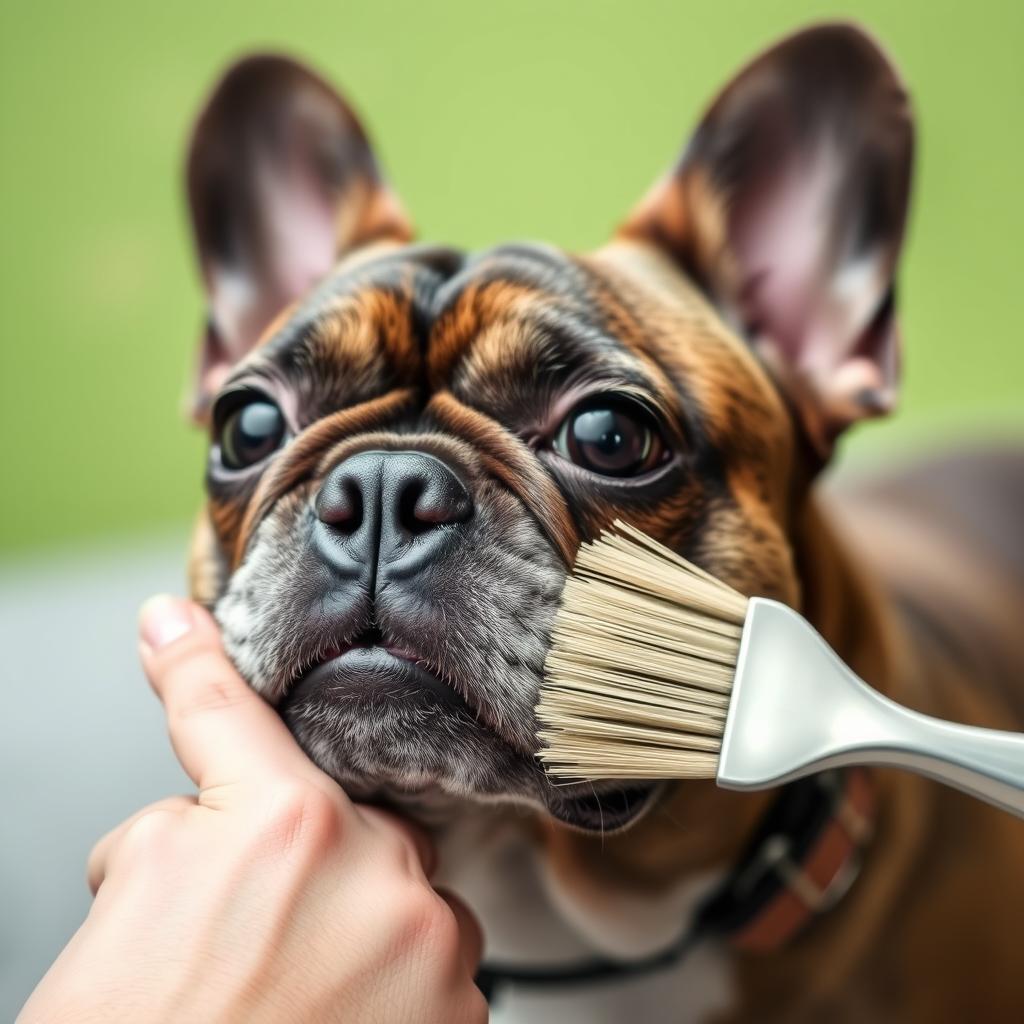
Regular brushing is arguably the most crucial aspect of French Bulldog grooming. Despite their short hair, they do shed, and brushing helps remove loose fur before it carpets your furniture and clothing. It also helps distribute the natural oils produced by their skin, which promotes a healthy coat and imparts a lovely shine.
- How often: Aim to brush your French Bulldog one to two times a week. You might find yourself brushing more frequently during specific times of the year when shedding is heavier.
- Tools: A soft-bristle brush, a rubber grooming mitt, or a de-shedding tool designed for short-haired breeds will work well. Steer clear of stiff brushes, as they can irritate your dog's skin. A grooming mitt is particularly well-suited for French Bulldogs, as it conforms to their body shape and is gentle.
- How to brush: Brush in the direction of hair growth. Be gentle, especially around their face and ears. Make it a positive experience by offering praise and occasional treats. If your dog shows signs of discomfort, such as panting or trying to escape, keep grooming sessions brief and gradually increase the duration. Understanding your dog's body language is key for successful dog training and handling.
Bathing: When and how often?
French Bulldogs generally do not require frequent baths. Over-bathing can strip their skin of essential natural oils, leading to dryness, irritation, and potential skin problems. The general recommendation is to bathe your French Bulldog only when they are visibly dirty or begin to develop an odor.
- How often: For most French Bulldogs, a bath once every one to three months is sufficient. Adjust this based on your dog's lifestyle and activity level. If they happen to roll in something unpleasant or get very muddy, a bath might be needed sooner.
- Shampoo: Always use a mild shampoo formulated specifically for dogs. Human shampoos have a different pH balance and can be harsh on a dog's skin. Opt for oatmeal-based or hypoallergenic formulas if your dog has sensitive skin.
- The process: Begin by brushing your dog thoroughly to remove loose hair and surface dirt. Use lukewarm water. Wet your dog completely, apply a small amount of shampoo, and lather gently. Take care to avoid getting water or shampoo directly into their eyes or ears. Rinse thoroughly. Any residual shampoo can cause skin irritation.
- Drying: Gently towel dry your dog. If your dog tolerates it, you can use a hairdryer on a cool, low setting, holding it at a distance to prevent overheating their skin. Ensure they are completely dry, particularly in cooler weather, to prevent them from getting chilled.
Facial wrinkle care: An essential step
One of the most distinctive features of the French Bulldog is their adorably wrinkled face. However, these wrinkles can trap moisture, food particles, and dirt, creating an environment where bacteria and yeast can thrive. This can lead to infections and unpleasant odors. Therefore, regularly cleaning their facial folds is not merely a grooming task; it's a crucial health practice.
- How often: Clean your French Bulldog's facial wrinkles daily or at the very least every other day. This is a straightforward task that can ward off significant health issues down the line.
- How to clean: Use a soft, damp cloth, pet-specific grooming wipes, or a cotton ball moistened with a cleaning solution recommended by your veterinarian. Gently wipe between each fold, ensuring all crevices are cleaned.
- Drying: After cleaning, it's very important to thoroughly dry the wrinkles. Use a clean, dry cloth or a cotton swab to gently pat the area dry. Residual moisture is a primary contributor to skin irritation and infection in this area.
- When to seek advice: If you observe redness, swelling, a foul odor, or any discharge from the wrinkles, contact your veterinarian immediately. These could be indicators of a skin infection requiring medical attention.
Ear cleaning: Avoiding problems
French Bulldogs' large, erect ears can also accumulate dirt and debris, and their shape may sometimes trap moisture. Regular checks and gentle cleaning are important to prevent ear infections.
- How often: Inspect your dog's ears weekly for any signs of redness, discharge, or odor. Clean them as needed, generally every few weeks, or if you notice dirt buildup.
- Tools: Use an ear cleaner specifically for dogs, as recommended by your vet, along with cotton balls or gauze pads. Never use cotton swabs (Q-tips) inside the ear canal, as this can push debris further in or damage the eardrum.
- The process: Apply a few drops of ear cleaner into the ear canal, then gently massage the base of the ear for about 20-30 seconds. Allow your dog to shake their head, which helps dislodge debris. Afterward, use the cotton ball or gauze to gently wipe away any visible dirt from the outer ear and the entrance to the canal.
- Signs of infection: Excessive head shaking, scratching at the ears, a foul odor, or a dark, waxy discharge are all indications that your dog may have an ear infection and needs to see a vet.
Nail trimming and paw care
While not directly linked to coat care, trimming nails is an essential component of overall French Bulldog grooming. Overgrown nails can cause discomfort, affect their gait, and potentially lead to injuries.
- How often: Trim your French Bulldog's nails every three to four weeks, or as needed. You should be able to hear them clicking on the floor.
- Tools: Use sharp nail clippers designed for dogs. The two main types are scissor-style and guillotine-style. Choose the one you are most comfortable using. Keep styptic powder readily available to stop bleeding if you accidentally trim into the quick (the sensitive, pink part of the nail containing blood vessels).
- The process: If your dog has dark nails, identifying the quick can be challenging. Trim small portions at a time. Introduce nail trimming gradually, making it a positive experience with rewards. If you are uncertain or your dog is anxious, a professional groomer or your veterinarian can provide assistance.
Dental hygiene: A critical part
Good dental health is paramount for your dog's overall well-being and can influence their general condition, including the health of their skin and coat. Dental issues can result in pain, infection, and may even affect other internal organs. While not strictly coat grooming, it is a vital element of a dog's preventative health care.
- How often: Ideally, brush your French Bulldog's teeth daily. If daily brushing is not feasible, aim for at least two to three times a week.
- Tools: Use a toothbrush and toothpaste specifically made for dogs. Never use human toothpaste, as it can be harmful to dogs. Flavored dog toothpastes can make the process more enjoyable for your pet.
- The process: Begin slowly by allowing your dog to lick the toothpaste off your finger or a brush. Gradually introduce the toothbrush, focusing on the outer surfaces of the teeth. Make it a positive experience with ample praise and rewards.
- Professional cleaning: Regular dental check-ups with your veterinarian are important. Your vet might recommend professional teeth cleaning under anesthesia if necessary, depending on your dog's age and dental condition.
Incorporating these grooming practices into your routine will not only ensure your French Bulldog looks and feels their best but will also provide valuable opportunities to monitor their health. Remember, consistency and a positive approach are key to making grooming a stress-free and enjoyable experience for both you and your beloved Frenchie. For further insights into various breeds and their specific care requirements, exploring resources on dog breeds can be highly beneficial.
Frequently Asked Questions
How often should I groom my French Bulldog?
For French Bulldogs, a good routine involves brushing their coat 1-2 times a week. Baths can be given as needed, typically every few weeks, to avoid drying out their skin. Regular ear cleaning and face wrinkle care are also very important.
What are the best grooming tools for a French Bulldog?
You'll need a soft bristle brush or a grooming mitt for their short coat. For their facial wrinkles, damp cloths or specialized pet wipes are essential. Nail clippers and a dog-specific shampoo are also necessary for complete grooming.
How do I clean my French Bulldog's face wrinkles?
Gently wipe down your French Bulldog's facial wrinkles daily or every other day with a soft, damp cloth or a pet-safe wipe. Ensure the wrinkles are completely dry afterward to prevent moisture buildup and potential skin infections. This is a critical part of their <a href="https://breedexplorer.com/dog-health-care">preventative health care</a> routine.
Are French Bulldogs prone to skin issues?
Yes, French Bulldogs can be prone to certain skin issues due to their short coats, potential allergies, and facial folds. Maintaining good hygiene, a balanced diet, and regular veterinary check-ups are important. Any concerning changes in their skin or coat should be discussed with your veterinarian.