
The Doberman Pinscher, with its striking appearance and intelligent gaze, is a breed that truly captures attention. As a pet behaviorist, I witness daily how their deep loyalty and natural protective instincts make them wonderful companions. However, like all breeds, Dobermans are susceptible to certain health considerations that informed owners should be aware of. Understanding these potential issues and focusing on everyday care, preventive measures, and recognizing subtle behavioral cues can significantly contribute to your Doberman enjoying a long, happy, and healthy life. This article will look at common Doberman health concerns from a care and behavioral perspective, aiming to help you keep your canine friend in excellent condition.
Common Doberman Pinscher health concerns and how to manage them
While no dog is entirely immune to illness, Doberman Pinschers can have specific genetic predispositions and breed-related challenges. Your role as your pet's advocate means recognizing subtle signs and knowing what you can do daily is incredibly powerful. It's crucial to work with your veterinarian for any medical diagnoses or treatment plans. My goal is to help you connect your dog's behavior, their environment, and their overall well-being.
Heart health in Dobermans
A commonly discussed health concern for Doberman Pinschers is heart disease, particularly Dilated Cardiomyopathy (DCM). While the veterinary details can be complex, from a behavioral standpoint, we look for changes that might suggest their heart function is declining. A dog with DCM might seem more tired, show less enthusiasm for walks or play, or tire out much more quickly than usual. You might notice they hesitate to jump onto furniture they once managed easily, or they might experience coughing fits.
Prevention and care: While DCM has a genetic component that cannot be entirely prevented, maintaining a healthy weight through careful nutrition and regular, appropriate exercise is vital for overall heart health. Early detection through regular veterinary check-ups, including heart assessments, is important. Owners can focus on providing a calm environment, especially for older Dobermans, and ensuring they do not overexert themselves in hot weather or during strenuous activities. Good nutrition supports all body systems, including the heart.
Blood disorders
Dobermans can be predisposed to certain blood disorders, like von Willebrand's disease, which affects how blood clots. This might not always be obvious in daily life unless there's an injury or before a surgical procedure. Behavioral observations could include excessive bruising, bleeding that seems to take longer to stop from minor cuts, or even nosebleeds that last longer than you'd expect.
Prevention and care: For owners, prevention involves being aware of this potential issue. If you know your Doberman has a predisposition, let your veterinarian and any groomers or trainers know. If an injury does occur, provide appropriate first aid and seek veterinary attention quickly. Regular grooming, including nail trims, should be done carefully to avoid causing unnecessary bleeding. Understanding your dog's specific health profile is key, and this information is best obtained from your vet.
Skeletal health concerns
Conditions such as hip dysplasia and Wobbler syndrome can affect large breeds, including Doberman Pinschers. Hip dysplasia involves a malformation of the hip joint, while Wobbler syndrome affects the spine, often impacting coordination and balance.
Behavioral signs can be revealing. A dog with hip dysplasia might appear stiff after resting, be reluctant to climb stairs, or have a noticeably uneven way of walking. They might yelp when getting up or down. With Wobbler syndrome, you might observe unsteadiness, a wobbly gait, or neck pain. Some dogs may struggle to stand for extended periods or have trouble maintaining their balance.
Prevention and care: Maintaining a healthy weight is crucial to reduce stress on joints. Avoid excessive high-impact activities, especially while they are still growing. Ensuring your dog has comfortable, supportive bedding can help ease discomfort for older or arthritic dogs. For Dobermans, especially as they age, consider adjustments to their environment. Ramps can be helpful for getting into cars or onto low furniture, reducing strain on hips and backs. Providing good quality food that supports joint health, possibly with supplements your vet recommends, is also beneficial. Proper training and avoiding situations that could lead to falls or rough play are also wise practices.
Bloat (gastric dilatation-volvulus)
Bloat is a serious and potentially life-threatening condition where the stomach fills with gas and can twist. Dobermans, with their deep chests, are at a higher risk. While this is a medical emergency, owners can take steps to reduce the risk.
Prevention and care: To reduce the risk of bloat, avoid feeding large meals once or twice a day. Instead, provide several smaller meals spread throughout the day. Do not allow strenuous exercise immediately before or after eating. Raised food bowls are a debated topic, with some research suggesting they might increase risk; it is best to discuss feeding strategies with your veterinarian. Encouraging your dog to eat at a calm pace, perhaps using slow-feeder bowls, can also help. Recognizing the signs of bloat – a swollen abdomen, retching without vomiting, restlessness, and pain – is critical, as immediate veterinary intervention is required.
Thyroid issues (hypothyroidism)
Dobermans can be prone to hypothyroidism, a condition where the thyroid gland does not produce enough hormones. This can show up in various ways, both physically and behaviorally.
Behavioral changes can include a noticeable decrease in energy levels, sleeping more, gaining weight despite no change in diet or exercise, a lack of interest in play or activities, and sometimes even behavioral shifts like anxiety or irritability. You might also notice a dull coat or excessive shedding.
Prevention and care: Regular veterinary check-ups are the best way to monitor thyroid function. If diagnosed, hypothyroidism is typically managed with medication. Owners can support their dog by strictly following the prescribed medication schedule and maintaining a healthy diet and exercise routine to manage weight and energy levels. Observing your dog's mood and energy can provide early clues that something is amiss, prompting a discussion with your vet.
The role of diet and exercise in Doberman health
A Doberman's lifestyle is closely linked to their health. As an intelligent, active breed, they need a balanced approach to nutrition and exercise.
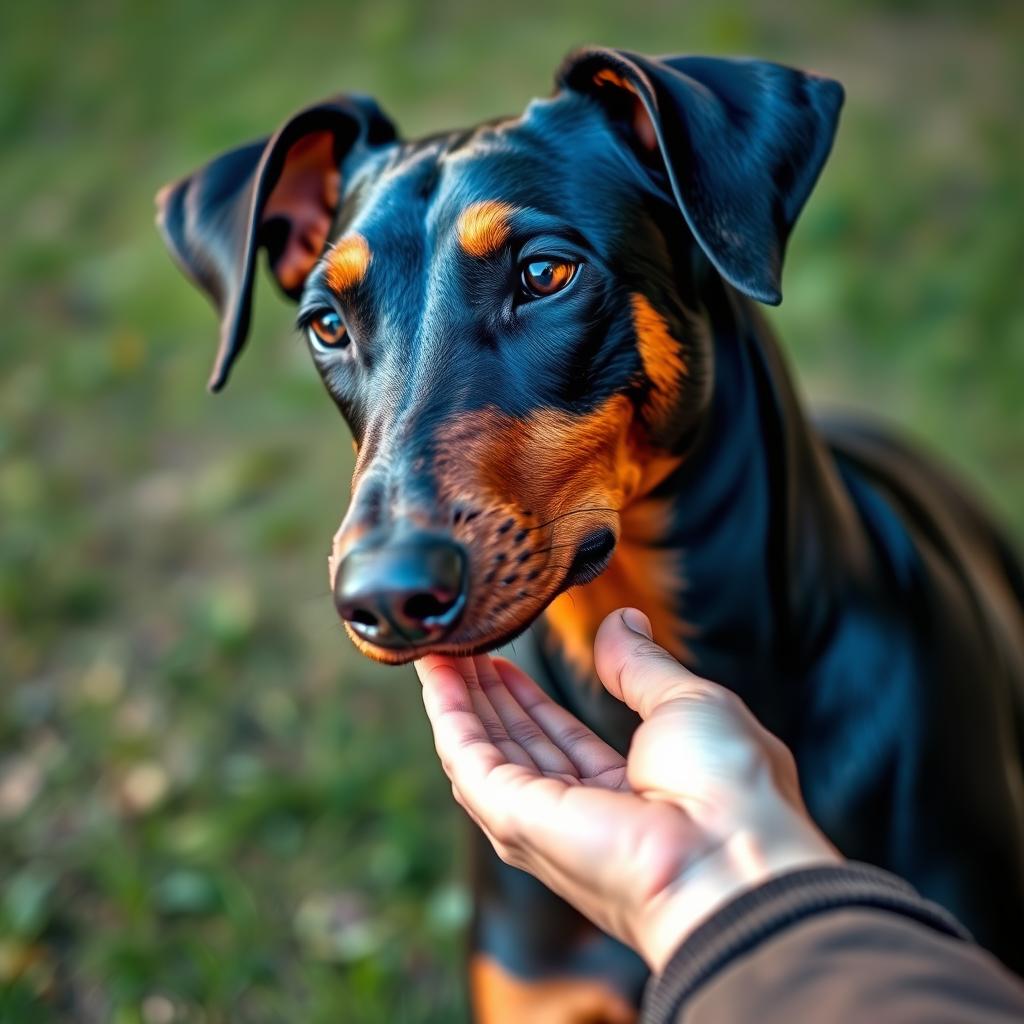
Nutrition
High-quality dog food formulated for active breeds is important. Look for foods with a named meat source as the first ingredient and avoid fillers like corn, wheat, and soy if your dog shows sensitivities. Portion control is vital to prevent obesity, which can worsen many health issues, including joint problems and heart disease.
Actionable advice: Always use the feeding guidelines on your dog food packaging as a starting point, but adjust based on your Doberman's age, activity level, and body condition. Use a measuring cup for accuracy. If you are unsure about the best diet, consult your veterinarian. They can recommend specific brands or types of food and discuss potential supplements like omega-3 fatty acids for coat and joint health, or glucosamine for joint support, if appropriate.
Exercise
Dobermans are energetic dogs that require significant daily exercise to stay physically and mentally stimulated. This is not just about burning energy; it is about providing enrichment and preventing boredom, which can lead to behavioral problems. Daily walks, jogs, playing fetch, or participating in dog sports like agility are excellent ways to meet their needs.
Actionable advice: Aim for at least one to two hours of exercise per day, adjusted for your Doberman's age and fitness level. Varying activities can keep them engaged. For younger dogs, focus on moderate exercise to protect developing joints. For seniors, maintain gentle, regular activity to preserve mobility. Mental stimulation is as important as physical exercise. Puzzle toys, training sessions, and scent work can challenge their intelligent minds.
Behavioral signs of aging and illness
As Doberman Pinschers grow older, changes in behavior are natural, but it is important to distinguish between normal aging and signs of illness. Pay close attention to your dog's daily routines and habits.
- Lethargy and decreased activity: While older dogs naturally slow down, a sudden or significant drop in energy, reluctance to engage in usual activities, or extended periods of sleep might indicate pain or illness.
- Changes in appetite or thirst: A noticeable increase or decrease in food or water intake can be a sign of various health issues, from dental problems to kidney disease.
- Mobility issues: Difficulty jumping, climbing stairs, stiffness after resting, or a hesitant gait can point to orthopedic problems or general discomfort.
- Toileting accidents: Sudden accidents in the house, especially in a previously well-trained dog, could indicate a medical problem such as a urinary tract infection, or a cognitive decline.
- Social withdrawal or increased irritability: A dog that used to be social and outgoing might start hiding or avoiding interaction, or conversely, a normally placid dog might become easily annoyed or reactive. These are significant behavioral red flags.
- Vocalization changes: Increased whining, yelping, or other unusual vocalizations, particularly when moving or interacting, can signal pain.
Recognizing these shifts quickly allows for earlier intervention. Your careful observation of your Doberman's behavior is invaluable to your veterinarian. If you notice any of these signs, do not hesitate to schedule a consultation. Early detection and management can make a significant difference in your Doberman's quality of life.
Preventative care and environmental enrichment
Beyond diet and exercise, several other aspects of daily care contribute to your Doberman's overall well-being. Investing in their health now can prevent future heartache.
Dental hygiene
Periodontal disease is common in dogs and can lead to more serious health issues if left untreated. Regular dental care is not just about fresh breath; it is about preventing bacteria from entering the bloodstream and affecting vital organs.
Actionable advice: Brush your Doberman's teeth daily with a dog-specific toothpaste. Introduce brushing gradually and make it a positive experience. Dental chews and toys can supplement brushing, but professional veterinary dental cleanings may be necessary periodically. Monitor their mouth for signs of redness, swelling, or bad breath.
Grooming and coat care
Dobermans have a short, sleek coat that is relatively easy to maintain. However, regular grooming helps you spot skin issues, parasites, or lumps and bumps early.
Actionable advice: Brush your Doberman a few times a week with a bristle or rubber brush to remove loose hair and distribute skin oils. Bathe them as needed, using a dog-specific shampoo. Check their ears regularly for signs of infection and clean them as recommended by your vet. This routine care is also a great bonding opportunity and allows you to physically assess your dog.
Environmental modifications
As Dobermans age or if they develop mobility issues, simple environmental changes can significantly improve their comfort and safety. This relates to their daily care and ensuring their living space supports their needs.
Actionable advice: Ensure they have a comfortable, orthopedic bed that supports their joints. If they have trouble with stairs, consider ramps or restrict access to upper floors. Non-slip mats on slippery floors can prevent falls. For Dobermans prone to anxiety or boredom, providing engaging dog training and enrichment activities, like interactive toys or food puzzles, is essential for their mental health.
Conclusion
Caring for a Doberman Pinscher involves understanding their specific needs, from their potential health predispositions to their requirement for consistent exercise and mental stimulation. By focusing on preventative care, maintaining a keen eye on behavioral changes, providing a nourishing diet, and ensuring a safe and enriching environment, you can help your Doberman live a full and energetic life. Remember, your veterinarian is your primary partner in managing your dog's health. Your dedication to their well-being, combined with expert veterinary care, builds a strong foundation for a lifetime of companionship.
Frequently Asked Questions
What are the most common health problems for Doberman Pinschers?
Doberman Pinschers can be prone to certain health conditions. Some common concerns include dilated cardiomyopathy (DCM), von Willebrand's disease, hip dysplasia, and bloat. Understanding these potential issues is key to proactive care. Regular veterinary check-ups are essential for early detection and management.
How can I prevent health issues in my Doberman Pinscher?
Preventative care is crucial for Doberman Pinschers. This includes providing a high-quality diet, ensuring consistent and appropriate exercise, maintaining good dental hygiene, and adhering to a regular vaccination and parasite control schedule. Early socialization and consistent training also contribute to a well-adjusted dog, which can indirectly support their overall health by reducing stress.
What behavioral signs might indicate a health problem in a Doberman?
Behavioral changes are often the first sign that something is wrong. Look out for unusual lethargy, reluctance to move or play, changes in appetite or thirst, hiding more than usual, increased irritability, or difficulty with activities they used to enjoy, like jumping. Any sudden or significant shift in your Doberman's normal behavior warrants a call to your veterinarian.
How important is diet for a Doberman's health?
Diet plays a vital role in a Doberman's health and well-being. A balanced, high-quality diet supports their energy levels, coat condition, and overall bodily function. Discussing the best food options and appropriate portion sizes with your veterinarian can help prevent issues related to nutrition and weight management. Considering the breed's tendency towards bloat, feeding smaller, more frequent meals can also be beneficial.