
Welcoming a new kitten into your home is a joyous occasion. As you and your tiny companion settle in, understanding their dietary needs is paramount to their care. Knowing the right kitten feeding schedule based on their age is essential for ensuring your furball grows into a healthy adult cat. From birth until their first birthday, their nutritional requirements change significantly. A well-planned diet supports everything from physical development to behavior. As a pet behaviorist, I always emphasize that good nutrition is the foundation of overall health, which directly influences their temperament and general well-being. Let's explore what your kitten needs at each stage of their growth.
The First Few Weeks: Milk is Primary
From birth up to about 4 weeks of age, a kitten should exclusively consume their mother’s milk or a specialized kitten milk replacer if the mother isn't present. This milk provides the perfect balance of essential antibodies, nutrients, and hydration. Kittens at this age are entirely dependent, spending most of their time nursing and sleeping.
If you are caring for orphaned kittens, it is vital to use a commercial kitten milk replacer and follow specific feeding instructions. A common mistake is giving cow's milk, which does not offer the correct nutrient balance and can cause digestive upset, leading to diarrhea.
Behaviorally, kittens in this stage are focused on nursing, sleeping, and growing. They will nurse frequently, with feeding sessions lasting several minutes, followed by deep sleep. Any change in this pattern, such as a kitten appearing weak or nursing less, requires immediate attention and consultation with a veterinarian.
Introducing Solids: Around 4 Weeks Old
This marks a significant milestone! Around 4 weeks of age, kittens typically begin to transition away from exclusive milk feeding and show curiosity about what their mother is eating. This is the ideal time to introduce solid food.
What to Offer:
- Wet Kitten Food: High-quality wet kitten food is often an excellent starting point. It’s appealing, easy to digest, and provides essential moisture. Choose formulas specifically designed for kittens, as they are richer in calories, protein, and crucial nutrients like calcium and phosphorus.
- Gruel: You can also create a 'gruel' by soaking high-quality dry kitten kibble in warm water or kitten milk replacer until it softens considerably. This results in a mash that is easy for tiny teeth and developing digestive systems to manage.
How to Introduce:
Begin by offering a small amount, about a teaspoon, of food on a shallow dish or your finger. Many kittens will instinctively lick it up. You can also try placing a tiny bit on the roof of their mouth to encourage swallowing. Expect some initial mess; kittens are learning! They might play in the food, get it on themselves, or eat only a small portion. Continue offering milk replacer as well, but gradually reduce its frequency as they show more interest in solid food.
Feeding Frequency: At this stage, offer food several times a day. Aim for 3-4 small meals. The primary goal is exploration and introduction, not yet a complete replacement for milk.
6 to 12 Weeks: Growth and Development
By 6 weeks, most kittens have been fully weaned and are eating solid food exclusively. This is a period of rapid growth and high activity, requiring nutrient-dense food and a consistent feeding schedule. Their energy levels will be very high, and they will engage in extensive play and social learning.
Food Choice: Continue with high-quality wet and/or dry kitten food. Many owners choose a combination. Dry food can be left out for grazing, although portion control is important. Wet food provides hydration and is often more appealing. Ensure any dry food is specifically formulated for kittens, not adult cats.
Feeding Frequency: Aim for 3-4 meals per day. This helps manage their intake, ensures they receive sufficient nutrients without overwhelming their small stomachs, and provides opportunities for positive reinforcement training sessions using food rewards.
Portion Sizes: This requires more specific attention. Always follow the feeding guidelines on the kitten food packaging, as these are based on AAFCO (Association of American Feed Controls) standards. However, these are only starting points. Adjustments will be necessary based on your kitten’s individual metabolism, activity level, and breed.
| Age (weeks) | Daily amount (wet food, approx.) | Daily amount (dry kibble, approx.) | Number of meals |
|---|---|---|---|
| 6-8 | 1/2 to 3/4 can (3oz can) | 1/4 to 1/3 cup | 3-4 |
| 9-12 | 3/4 to 1 can (3oz can) | 1/3 to 1/2 cup | 3-4 |
Important Considerations:
- Water: Fresh, clean water should always be available. Some cats show a preference for water fountains over still water.
- Monitoring: Observe your kitten’s body condition. They should have a visible waist, and you should be able to feel their ribs without them being overly prominent. If they are too thin or gaining weight too rapidly, adjust portion sizes.
- Behavioral Cues: Pay attention to your kitten’s eating habits. Do they finish their food enthusiastically? Do they beg for more? Are they reluctant to eat? These are important indicators. A sudden loss of appetite can signal illness and requires veterinary attention.
3 to 6 Months: Growing Pains and Playfulness
This phase is marked by continued rapid growth, increasing independence, and immense energy. Kittens at this age are highly social and are learning more about their environment and their role within the household. They often engage in more complex play and exploration, requiring consistent nutrition to support this development.
Food Choice: Continue using kitten-specific food. The nutrient profile remains essential for their ongoing development. A mix of wet and dry food can still be a good option, offering variety and meeting different needs (hydration from wet food, potential dental benefits and convenience from dry).
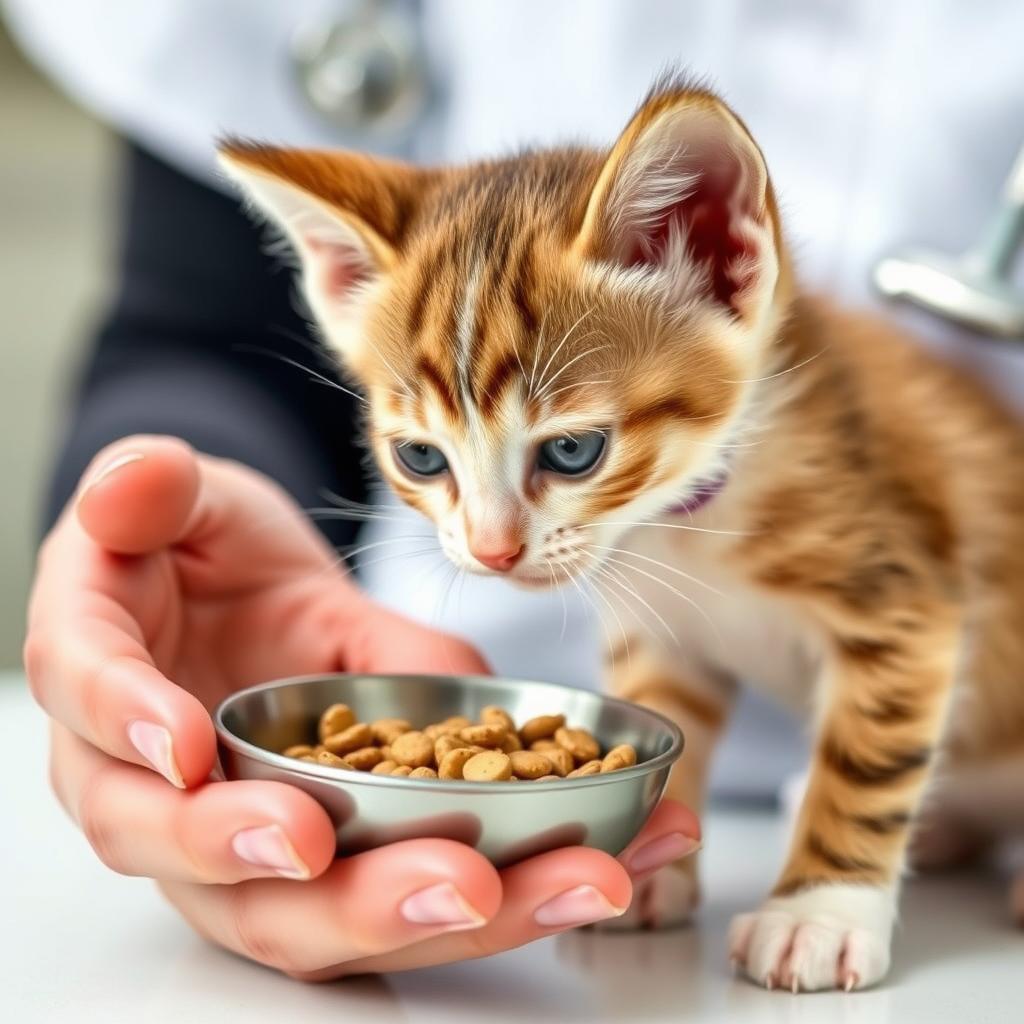
Feeding Frequency: You can often reduce the number of meals to 3 per day. While some kittens may still do well with 4 smaller meals, 3 well-portioned meals can be effective as they grow larger. This also aligns more closely with a potential adult feeding schedule, easing the transition later on.
Portion Sizes: Continue to use the packaging guidelines as a reference, but adjust based on your kitten’s individual needs. A more active kitten will require more calories than a less active one. Regular weigh-ins at the vet can help you track their growth progress.
| Age (months) | Daily amount (wet food, approx.) | Daily amount (dry kibble, approx.) | Number of meals |
|---|---|---|---|
| 3-4 | 1 to 1.5 cans (3oz can) | 1/2 to 2/3 cup | 3 |
| 5-6 | 1.5 to 2 cans (3oz can) | 2/3 to 3/4 cup | 3 |
Behavioral Notes: Kittens at this age are very motivated by food. This makes them excellent candidates for training. Using small pieces of their kibble or specific training treats during positive reinforcement training sessions can be highly effective. Always be mindful of not overfeeding, as weight gain can begin even in younger cats.
6 Months to 1 Year: Approaching Adulthood
Your kitten is starting to resemble an adult cat, though they are still growing. Their growth rate may slow slightly compared to earlier months, but they still need nutrient-rich food to complete their development.
Food Choice: Continue with a high-quality kitten food. Some veterinarians might recommend a gradual transition to an adult formula starting around 9-10 months, particularly for larger breeds. However, many cats can continue on kitten food until their first birthday.
Feeding Frequency: You can typically settle into 2 meals per day. This is a common and sustainable schedule for most adult cats and prepares your kitten for their adult life. However, if your cat seems hungry or if there’s a specific health reason, 3 meals might still be appropriate.
Portion Sizes: Use the food packaging guidelines for ‘active’ or ‘large breed’ kittens in this age range as a reference. Adjust based on your cat’s body condition and activity level. This is a crucial period to prevent unhealthy weight gain, as habits formed now can persist into adulthood.
| Age (months) | Daily amount (wet food, approx.) | Daily amount (dry kibble, approx.) | Number of meals |
|---|---|---|---|
| 6-9 | 1.5 to 2 cans (3oz can) | 3/4 to 1 cup | 2-3 |
| 10-12 | 1.5 to 2 cans (3oz can) | 3/4 to 1 cup | 2 |
Behavioral Integration: This is an excellent time to incorporate puzzle feeders and interactive toys into their feeding routine. These tools stimulate their minds, engage their natural hunting instincts, and can help slow down fast eaters. They add enrichment to their day and can prevent boredom-related behaviors.
The Transition to Adult Food: Around 1 Year
Your kitten is now officially an adult cat! The transition to adult cat food should be done gradually over 7-10 days to avoid upsetting their digestive system. This typically involves mixing a small amount of adult food with their kitten food and slowly increasing the proportion of adult food while decreasing the kitten food.
Choosing Adult Food: Select a high-quality adult cat food that suits your cat's life stage and any specific needs, such as being for an indoor cat or having a sensitive stomach. Consulting your veterinarian is always recommended for personalized advice on the best food choice. Remember, the quality of their diet directly impacts coat health, energy levels, and long-term well-being.
Behavioral Changes: As cats mature, their activity levels may decrease slightly. Their feeding schedule and portion sizes should reflect this to prevent obesity. Some cats may become more territorial or prefer a more predictable routine. Establishing a consistent feeding time is part of building this routine.
Key Takeaways for a Healthy Kitten
- Quality Matters: Always choose high-quality kitten food from reputable brands. Look for a meat-based protein listed as the first ingredient.
- Consistency is Key: Establish a regular feeding schedule. This helps regulate their digestion and sets clear expectations.
- Monitor and Adjust: Pay close attention to your kitten’s body condition, energy levels, and appetite. Adjust food portions as needed, ideally with veterinary guidance.
- Fresh Water: Never underestimate the importance of constant access to fresh, clean water.
- Veterinary Guidance: Your veterinarian is your most valuable resource for personalized advice on your kitten’s specific nutritional needs, especially if you observe any concerning behaviors or health issues. They can also offer insights into the best cat health practices.
By adhering to a well-structured kitten feeding schedule, you are laying the groundwork for a long, healthy, and behaviorally sound life for your feline companion. Happy feeding!
Frequently Asked Questions
When should kittens start eating solid food?
Kittens typically begin to show interest in solid food around 4 weeks of age. At this stage, you can start offering them a specialized kitten wet food or a gruel made from dry kibble soaked in water. This should be a gradual introduction alongside their mother's milk or formula.
How often should a 2-month-old kitten eat?
A 2-month-old kitten is entering a period of rapid growth and typically needs to eat 3-4 times a day. Smaller, more frequent meals help support their digestive system and energy needs. Always ensure fresh water is available.
When can kittens switch to adult cat food?
Most kittens can transition to adult cat food around their first birthday. However, some smaller breeds or individual cats might benefit from staying on kitten food slightly longer. It's best to consult with your veterinarian for personalized advice. The transition should be gradual over about a week to avoid digestive upset.
Why is kitten food important?
Kitten food is specifically formulated with higher levels of protein, fat, and essential nutrients like calcium and phosphorus to support their rapid growth, bone development, and high energy requirements during the first year of life. It is crucial for their overall health and development.