
Welcome to BreedExplorer.com! As a dedicated pet behaviorist and trainer, I'm delighted to share insights into the distinct world of the Sphynx cat. Recognized for their unique hairless appearance, lively personalities, and affectionate nature, Sphynx cats require specific care, particularly concerning their skin. This guide focuses on essential grooming and skin care practices to ensure your unique feline companion remains healthy, content, and vibrant. Understanding their needs is fundamental to their well-being, affecting everything from their physical comfort to their overall health.
Understanding Sphynx Cat Skin and Behavior
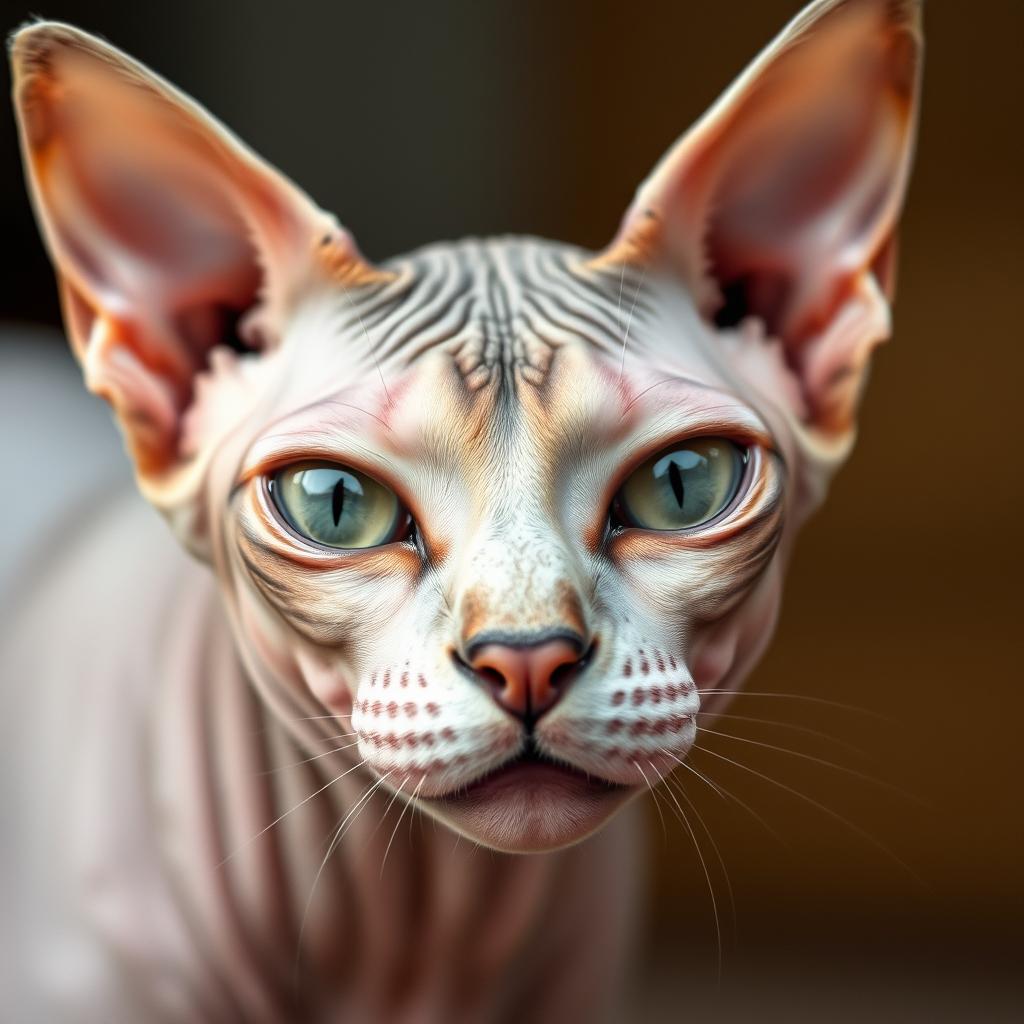
The most noticeable characteristic of the Sphynx is their lack of dense fur. However, they aren't entirely hairless. They are covered in a fine, downy fuzz that feels much like peach skin or suede. This distinctive trait means their skin plays a more significant role in their health and comfort compared to the fur of other breeds. From a behaviorist's viewpoint, their skin’s condition directly influences their emotional state. A Sphynx that is uncomfortable, itchy, or has greasy skin might show changes in behavior, such as increased irritability, excessive attempts to groom themselves leading to raw skin, or withdrawal from interaction.
Sphynx cats are known for being very social, intelligent, and seeking attention. They often form strong bonds with their families and can be quite sensitive to shifts in their environment or daily routines. Their absence of fur makes them more susceptible to changes in temperature. They naturally seek warmth, frequently cuddling with their owners, other pets, or finding sunny spots to relax. Behavioral indicators of discomfort can include:
- Hiding more than is typical for them.
- Increased vocalization meowing or yowling to get attention or express unease.
- Showing reluctance to engage in play or other activities they usually enjoy.
- Over-grooming their skin, which can result in irritation and open sores.
- Shivering or constantly seeking out warmer spots.
Regular grooming is more than just about appearance; it's about proactive care for their skin's health and, consequently, their emotional well-being. Consistently observing your Sphynx's skin can help you identify potential issues before they become serious problems. This attentive approach is a vital component of responsible cat health care and further strengthens the bond between you and your pet.
Essential Sphynx Cat Grooming Practices
When discussing Sphynx grooming, the focus is primarily on skin and ear care. Unlike other cats that shed and naturally manage their skin oils through their fur, a Sphynx's oils accumulate directly on their skin, necessitating human assistance. Here's a breakdown of the key grooming tasks:
Bathing Your Sphynx
This is perhaps the most important grooming task for a Sphynx. Their skin produces natural oils that, if not washed regularly, can become greasy and lead to skin issues like acne or an unpleasant odor.
How often: Typically, Sphynx cats require baths every two to four weeks. However, this can vary considerably among individual cats. Some may need weekly baths, while others can go longer between washes. Pay attention to your cat's skin: if it feels greasy to the touch or starts to develop a scent, it’s time for a bath.
The process:
- Use a gentle, soap-free, moisturizing cat shampoo. Shampoos designed for humans are too harsh.
- Ensure the water temperature is lukewarm, similar to what you would use for a baby.
- Gently wipe their face with a damp cloth, being careful to avoid getting water directly into their eyes or ears.
- Lather the shampoo over their body, taking care around the facial area.
- Rinse thoroughly. Any remaining shampoo can cause skin irritation.
- Pat them dry with a soft towel. Some owners use a hairdryer on a low, cool setting, but only if your cat is comfortable with it.
From a behavioral standpoint, it’s best to introduce bathing gradually. Begin with short sessions and use positive reinforcement. If your cat becomes excessively stressed, it’s advisable to consult with a veterinarian or a professional groomer who has experience with Sphynx cats. For many cats, the feeling of comfort and warmth after a bath can be quite pleasant.
Ear Cleaning
Sphynx cats lack the fine ear canal hair found in many other breeds. This means earwax can accumulate more quickly and requires regular attention.
How often: Check your Sphynx's ears weekly. Clean them as needed, which is usually every one to two weeks, depending on how much wax they produce.
The process:
- Use an ear cleaning solution approved by your veterinarian for cats.
- Apply a few drops into the ear canal.
- Gently massage the base of the ear for about 20 to 30 seconds.
- Allow your cat to shake their head; this action helps to dislodge debris.
- Gently wipe away any visible wax and debris from the outer part of the ear using a soft cloth or a cotton ball.
- Never insert cotton swabs deep into the ear canal, as this can push wax further in or cause injury.
If you observe significant redness, a bad smell, or a black, waxy discharge, contact your veterinarian. These symptoms could indicate an ear infection, which requires professional medical treatment. A cat showing signs of ear discomfort such as scratching their ears or shaking their head might also benefit from a behaviorist's assessment of environmental factors that could be contributing to their stress, although medical causes must be ruled out first.
Eye Care
Many Sphynx cats have prominent eyes and may experience tear stains or a buildup of eye discharge. This is often normal and can be managed with gentle cleaning.
How often: Check your cat's eyes daily.
The process:
- Use a soft, damp cloth or a pet-safe eye wipe.
- Gently wipe away any crusting or discharge from the corners of their eyes.
- Be careful not to touch the eyeball directly.
Persistent discharge, redness, swelling, or squinting could signal an eye infection or another medical concern. Always seek advice from your veterinarian if you notice significant changes in your Sphynx's eyes. Behavioral changes, like pawing at their eyes, can also be an indicator of an issue.
Nail Trimming
Like all cats, Sphynx cats require regular nail trims to prevent overgrowth. Overgrown nails can snag, split, or even become ingrown, causing discomfort and potential injury.
How often: Trim their nails every two to four weeks, or as needed.
The process:
- Use sharp nail clippers specifically designed for cats.
- Gently extend one paw and press on the pad to reveal the nail.
- Trim only the very tip of the nail, taking care to avoid the quick the pinkish part that contains blood vessels and nerves. Cutting the quick will cause bleeding and pain for your cat.
- If you are uncertain about the process, ask your veterinarian or a groomer to show you how.
Introducing nail trims at a young age and making it a positive experience with treats can significantly improve your cat's cooperation. If your cat shows strong resistance, do not force the issue. Consider working with a professional or exploring behavioral desensitization techniques. Understanding your cat's tolerance levels is an important part of managing their overall cat behavior.
Protecting Sphynx Skin from the Elements
Their lack of thick fur makes Sphynx cats vulnerable to environmental conditions. As a behaviorist, I stress how external discomfort can translate into internal stress for your pet.
Sun Protection
Sphynx cats are susceptible to sunburn. Their skin is sensitive to UV radiation. If your Sphynx enjoys basking in sunbeams, ensure they have access to shaded areas or keep them supervised. Prolonged exposure to direct sunlight should be avoided. For any outdoor activities, discuss the use of pet-safe sunscreens with your veterinarian; however, keeping them indoors during peak sun hours is the safest approach.
Temperature Regulation
Sphynx cats are sensitive to both cold and heat. They possess a higher metabolic rate that helps them maintain their body temperature, but they frequently still need external assistance.
- Cold weather: Provide comfortable beds, sweaters, or blankets. Ensure their living space is kept warm.
- Hot weather: Make sure they have access to cool, shaded spots and plenty of fresh water. They can overheat easily.
Behaviorally, a cat shivering intensely or panting are clear indicators of distress. It is crucial to ensure their environment meets their thermal comfort needs.
Dental Care for Your Sphynx
While not directly related to coat care, dental health is a critical aspect of overall well-being for all cats, including the Sphynx. Poor dental hygiene can lead to systemic health problems and discomfort, potentially impacting their behavior.
- Brushing: Aim to brush your Sphynx's teeth several times a week using a toothbrush and toothpaste specifically made for pets.
- Dental treats: Supplement regular brushing with dental treats formulated to help reduce plaque and tartar buildup.
- Veterinary check-ups: Regular dental examinations with your veterinarian are essential.
Introducing tooth brushing early on and using palatable pet toothpaste can make this routine much smoother. Positive reinforcement is key to establishing this as a good habit.
When to Consult a Veterinarian
As a behaviorist, my aim is to help you understand and manage your pet's needs. However, certain issues require professional veterinary guidance. Always consult your veterinarian if you observe:
- Sudden or significant changes in their skin condition, such as rashes, sores, excessive dryness, or oiliness.
- Signs of infection in the ears, eyes, or skin.
- Lethargy, changes in appetite, or other general indications of illness.
- Any concerns regarding your cat's overall health and comfort.
While we've focused on grooming, remember that a healthy cat is a happy cat. Understanding their breed-specific requirements, such as those of the Sphynx, is a significant step toward providing excellent care. Explore more about various feline companions and their unique needs in our cat breeds section.
Appropriate nutrition, consistent exercise, and a mentally stimulating environment also contribute significantly to your Sphynx's health and happiness. For more general advice on feline well-being, explore our cat guides.
Frequently Asked Questions
How often should I bathe my Sphynx cat?
Sphynx cats typically need a bath every 2-4 weeks. This frequency can vary based on individual oil production, so observe your cat's skin. If it feels greasy or develops an odor, it's time for a bath. Always use a cat-specific shampoo and rinse thoroughly to avoid skin irritation.
What are the main grooming needs for a Sphynx cat?
The primary grooming needs for a Sphynx cat revolve around skin care due to their lack of a protective coat. This includes regular bathing to remove skin oils, cleaning of ear canals to prevent wax buildup, and occasional nail trimming. Their eyes may also need gentle wiping if they produce discharge.
Why do Sphynx cats need special care compared to other breeds?
Sphynx cats lack the fur that typically absorbs body oils and provides protection from the elements. Their exposed skin is sensitive to sunlight and temperature changes, and they produce natural oils that need regular removal through bathing to maintain skin health and prevent issues like acne or greasiness.
Can Sphynx cats get sunburned?
Yes, Sphynx cats can get sunburned. Their exposed skin lacks the protective barrier of fur, making them susceptible to UV damage. It's important to keep them indoors during peak sun hours or provide shaded areas if they spend time outdoors. Consider pet-safe sunscreen for short exposures if recommended by your vet.