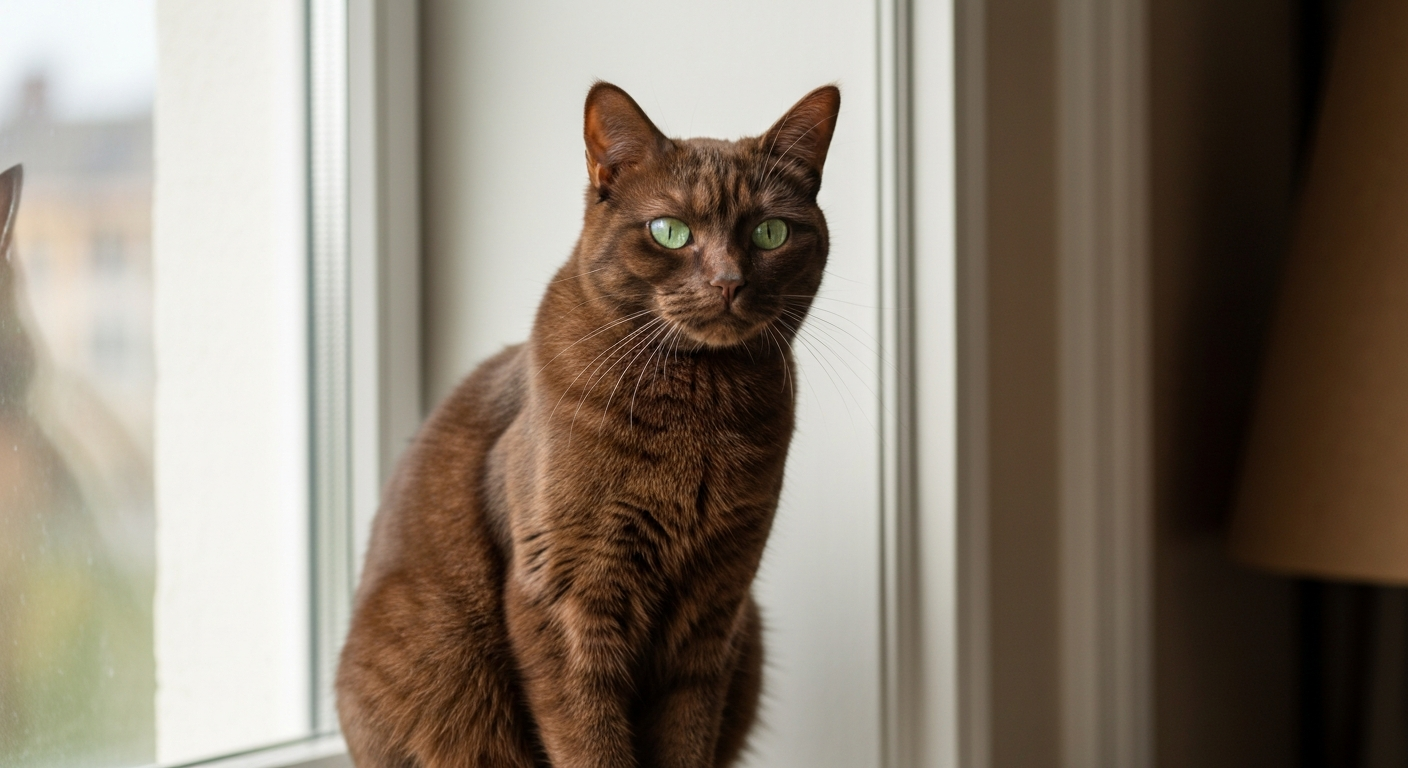
As a pet behaviorist, one of the most common issues owners share with me is sudden biting. You might be sitting quietly, enjoying a calm moment together, when your cat suddenly turns and nips your hand. Or maybe you walk past a doorway and they leap out to grab your ankles. It is a frustrating and painful experience that can leave you feeling tense around your own pet.
Our understanding of cat behavior has come a long way. We now know that cats do not bite out of malice, spite, or a desire to dominate. Instead, they use their teeth to communicate when their more subtle warning signs are ignored or misunderstood. By learning to read your cat's body language and adjusting how you interact, you can stop this behavior and restore peace to your home.
The primary reasons cats bite
To stop this behavior, we need to understand what motivates it. Cats bite for several distinct reasons, and each situation requires a different approach. Identifying what triggers your cat is the first step to finding a solution.
- Overstimulation
- This occurs during petting when a cat experiences sensory overload. Repetitive strokes become irritating rather than pleasant, causing them to nip as a way of asking for space.
- Play aggression
- Common in energetic younger cats, this happens when they mistake your hands, feet, or ankles for prey. It is simply an outlet for their natural hunting instincts.
- Fear or defense
- If a cat feels cornered, trapped, or startled by sudden movements, they may bite as a defensive reflex when they see no other way out.
- Pain or discomfort
- A cat who is hurting often bites if you touch a sensitive spot. This is a protective physical reflex, not a deliberate behavioral issue.
Reading your cat's body language before a bite
Many owners feel like their cat bites completely out of nowhere. In reality, cats almost always give warning signals before they use their teeth. These signs can be subtle, and we often miss them simply because we do not know what to look for.
| Bite trigger | Warning signs | Immediate response |
|---|---|---|
| Overstimulation | Twitching tail, rippling skin along the back, flattened ears, tense posture, or sudden silence | Stop touching them immediately and let them sit quietly or walk away. |
| Play aggression | Dilated pupils, wiggling hips, intense staring, forward-pointing ears, or a low-crouched stance | Freeze completely, then toss a toy away from you to redirect their focus. |
| Fear or pain | Hissing, growling, puffed tail, dilated pupils, or tucking limbs tightly beneath the body | Back away slowly, give them space, and remove whatever startled them. |
By watching for these shifts in posture, you can intervene before your cat feels forced to bite. If you notice a twitching tail or a sudden silence, take that as your cue to stop interacting immediately and give them space.
How to handle play aggression and ankle pouncing
Play aggression is one of the most common behavioral challenges in pet ownership. Cats are born hunters with a hardwired instinct to stalk, pounce, and capture. Without structured outlets for this energy, our moving ankles and hands naturally become their targets.
The golden rule for preventing play aggression is to never use your hands or feet as toys. Wiggling your fingers under a blanket or letting a kitten chase your toes teaches them that human skin is a target. While this behavior is endearing in a tiny kitten, it leads to painful habits once they grow into adults.
To redirect this energy, schedule two structured play sessions a day using an interactive wand toy. Mimic prey movements by making the toy flutter or scurry away from your cat, duck behind furniture, and occasionally let them catch it. End the session by offering a small meal or a treat. This fulfills their natural predatory cycle of hunting, eating, grooming, and sleeping, leaving them deeply relaxed.
Managing petting-induced overstimulation
Petting-induced biting happens because cats have highly sensitive hair follicles and skin. Repetitive stroking in the same spot can trigger sensory overload, turning a pleasant feeling into an irritating physical sensation. Think of it like a back massage that goes on just a bit too long in the exact same spot.
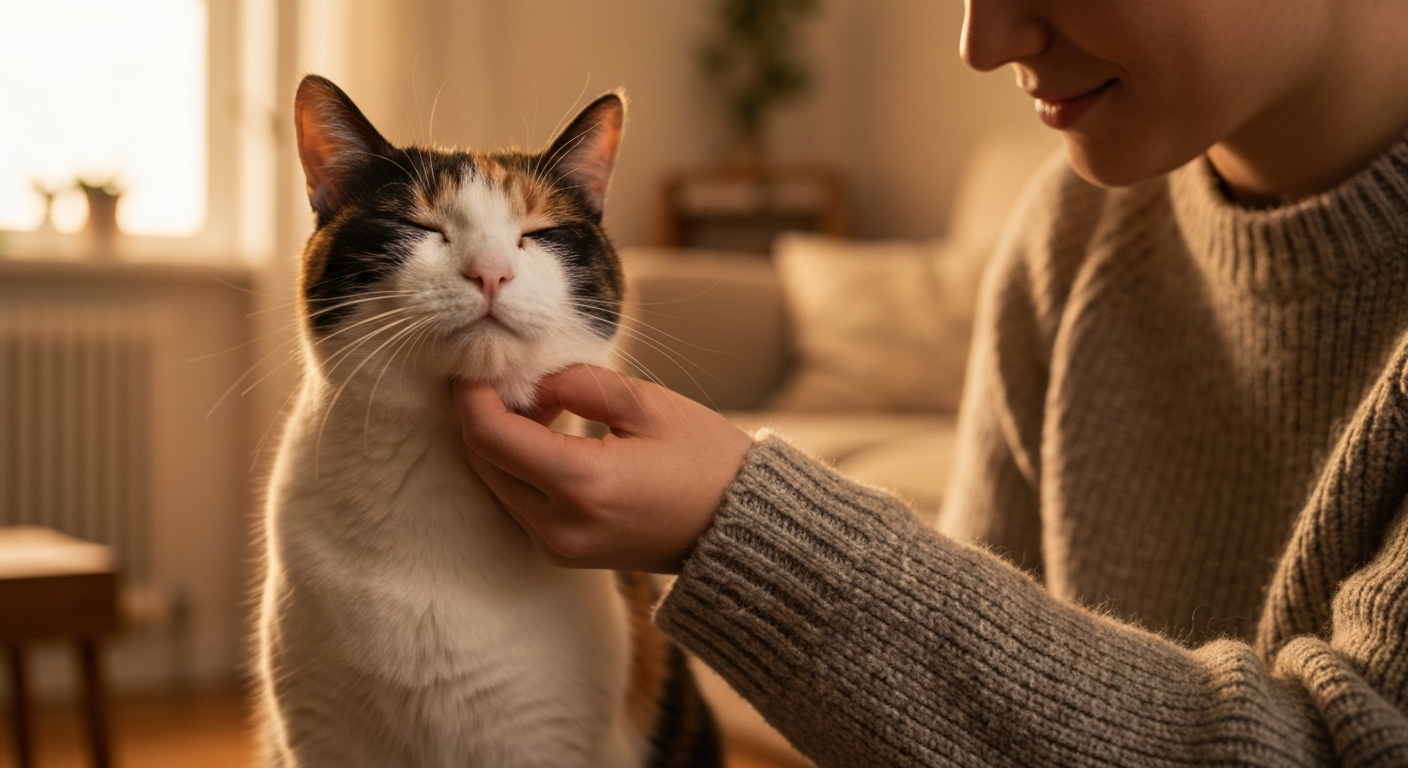
To prevent these bites, try using the three-second rule. Pet your cat for three seconds, then pause and move your hand back. If they lean in, rub their cheek against your fingers, or nudge you, they are inviting more contact. If they look away, lick their lips, or freeze, they have had enough. Respect their boundaries and stop immediately.
Focus your affection on areas where cats have scent glands, such as the cheeks, chin, and the base of their ears. Most cats find strokes in these areas highly soothing. Avoid sensitive spots like the belly, tail, or paws, which are heavily guarded and can easily trigger a defensive nip.
The connection between pain, health, and sudden biting
When a normally gentle, sweet-tempered cat suddenly starts biting, the root cause is frequently physical discomfort. Underlying health issues can make even the most patient cat highly irritable, which is why any sudden behavioral shift warrants a professional checkup.
Watch for signs of pain or age-related discomfort, such as a reluctance to jump onto favorite perches, hiding in dark spots, unusual vocalizing, or sudden lethargy. Common issues like joint stiffness, dental discomfort, or skin sensitivities can make normal handling painful.
Prioritizing preventative wellness care is essential for keeping your cat comfortable. If you suspect physical pain is driving the biting behavior, consult a veterinarian. A professional exam can identify hidden sources of discomfort and establish a management plan to help resolve the biting entirely.
Actionable training steps to eliminate biting habits
If your cat has already established a habit of biting, you can use consistent, positive training to teach them that biting no longer gets results. Here is a practical, step-by-step approach you can start using today.
First, use the freeze technique. If your cat grabs your hand or ankle, do not pull away. Quick, jerking movements mimic fleeing prey, which naturally triggers their instinct to bite harder. Instead, freeze completely and let your hand or foot go limp. Gently pressing toward the bite can also encourage them to release, as prey rarely moves toward a predator. Once they let go, calmly walk away. Stepping into another room and closing the door for a few minutes teaches them that biting immediately ends all human interaction.
Second, reward calm choices. Keep a small container of healthy treats nearby. When your cat approaches your hand and chooses to sniff or rub their cheeks instead of nipping, immediately reward them with a treat and soft praise. This reinforces the idea that calm, gentle interactions bring positive rewards.
Third, build a stimulating environment. Cats need mental exercise to prevent frustration from boredom. Incorporate puzzle feeders, vertical perches, and safe window views to keep their minds active during the day. An active, mentally engaged cat is far less likely to bite out of sheer boredom.
Frequently Asked Questions
Why does my cat bite me gently?
Gentle bites, often called love bites, can be a sign of affection or a subtle warning that your cat is becoming overstimulated and needs a break from petting.
Why does my cat bite my ankles when I walk past?
This is usually play aggression. Your cat treats your moving feet as prey because they lack enough interactive toy play to satisfy their natural hunting instincts.
What should I do immediately when my cat bites?
Freeze completely and do not pull away. Once they release their grip, calmly walk away and ignore them to show that biting ends all attention.